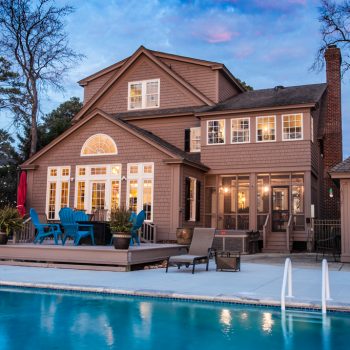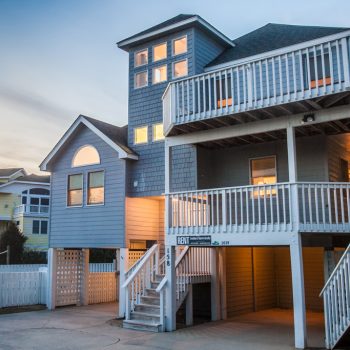
For vacation-rental buyers, Corolla, Duck, Nags Head, Kill Devil Hills, and selected Hatteras Island communities are generally the strongest Outer Banks areas to compare first. Corolla often fits larger, group-oriented beach homes; Duck appeals to buyers who want a village location and strong personal-use appeal; Nags Head and Kill Devil Hills offer central access and a wide range of property types; and Hatteras Island suits a more specialized guest market centered on fishing, watersports, and a remote coastal experience.
There is no town that is automatically “best” for investment. The strongest location depends on the guest the home is designed for, the owner’s intended use, the property’s operating cost, the insurance profile, management structure, access, HOA or town rules, and the home’s condition. Gross rental revenue is not the same as net income, and a popular vacation town is not automatically the right place for every rental strategy.
Key takeaways
-
Corolla is often a strong fit for larger vacation homes designed for extended families, multigenerational groups, and beach-oriented stays.
-
Duck can be compelling for buyers who want a location that works equally well for guest demand and frequent personal use, especially near village amenities.
-
Nags Head offers broad flexibility across ocean-side, soundside, and central beach settings, but performance and operating needs vary by exact location.
-
Kill Devil Hills can suit buyers who prioritize central access, public beach proximity, and a practical property that is not dependent on a highly remote location.
-
Kitty Hawk can be attractive for a balanced personal-use and rental plan, particularly for buyers who value central Northern Beaches access.
-
Hatteras Island is a specialized choice for buyers who understand the guest market and are comfortable with more remote ownership, weather, access, and maintenance planning.
-
Before making an offer, buyers should evaluate actual historical rental records, operating expenses, management terms, flood and insurance considerations, property condition, rules, and a conservative downside case.
Quick recommendations
What vacation-rental buyers need to understand first
A vacation rental is not simply a beach house that earns income when the owner is away. It is a hospitality operation connected to a specific property in a specific community.
The investment decision should begin with one sentence:
We are buying this property primarily for.
Possible answers include:
-
Personal family use with rentals offsetting some costs
-
A guest-oriented property designed to generate operating income
-
A future retirement home rented selectively before full-time use
-
A large gathering place for extended family that may rent in unused weeks
-
A long-term property with a rental component, not a short-term profit plan
This statement matters because it influences where you should look, what home size fits, which weeks you will reserve, which amenities make sense, and how much operational complexity you are willing to accept.
A buyer who wants personal use during school breaks may not be able to capture the same peak weeks that a rental-first investor would prioritize. A buyer seeking steady group demand may need a different layout, parking plan, pool setup, outdoor space, and management model than a couple buying a smaller coastal retreat.
The vacation-rental decision model
A useful Outer Banks rental evaluation connects these elements:
Location
The location affects the guest experience, beach access, travel time, nearby amenities, and property setting. But a well-known town alone does not guarantee demand for a particular house.
Property fit
Bedroom count, bathroom count, layout, parking, pool, hot tub, elevator, outdoor space, pet policy, beach route, views, accessibility, and condition all influence the type of guest the home can serve.
Guest demand
Look at the guest profile: large families, multigenerational groups, couples, anglers, boaters, surfers, pet owners, or visitors seeking a walkable village. Do not assume every guest type wants the same town or property.
Operating costs
Management, cleaning, maintenance, insurance, utilities, taxes, HOA costs, pool and hot-tub service, elevator service, furnishings, linens, repairs, and capital replacements can materially change the result.
Rules and compliance
Town, county, HOA, condo, civic association, parking, occupancy, septic, noise, and rental rules can apply. These must be confirmed for the exact property and current intended use.
Risk tolerance
A coastal rental property can face variable demand, storms, insurance changes, repair needs, access disruptions, and unexpected capital expenses. A buyer should be able to own the property through a weaker period without relying on optimistic projections.
Master rental-area comparison
Corolla: Best for large group and multigenerational vacation rentals
Corolla is frequently worth comparing for buyers whose rental strategy centers on larger family groups, multigenerational stays, and a beach-focused home with space for guests. The community can appeal to owners seeking homes with multiple suites, large common areas, pools, outdoor spaces, game rooms, elevators, and layouts designed for group vacations.
The strategy is not simply “buy a large house.” The buyer must decide whether they are prepared to operate and maintain a larger hospitality asset.
Corolla is best for
-
Buyers targeting extended-family and multigenerational stays
-
Owners who want a property with meaningful guest capacity
-
Families planning to use the home themselves during selected weeks
-
Buyers who value beach proximity, space, and a more removed Northern Beaches setting
-
Owners willing to manage a larger maintenance and capital-reserve plan
Advantages
-
Strong fit for a group-oriented property strategy
-
More opportunity to find homes designed around multiple bedrooms and guest amenities
-
Beach-focused experience for owners and guests
-
Potential for a more private setting than central beach communities, depending on location
Trade-offs
-
Larger homes may bring higher insurance, utility, furnishing, pool, elevator, deck, cleaning, and maintenance costs
-
More distance from central services may affect owner convenience and operating logistics
-
Seasonal traffic, access patterns, and location within Corolla can affect guest experience
-
A large home may not be the best choice if the owner primarily wants a simple personal retreat
Due diligence priorities
Review historical rent rolls and full operating statements, not just gross revenue. Inspect pool, hot tub, elevator, decks, HVAC systems, roof, exterior materials, windows, drainage, parking, and beach-access route. Confirm association rules, rental policies, parking capacity, septic capacity where relevant, and property-specific insurance guidance.
Local perspective: Corolla can work well when the property, guest profile, and owner use all point toward large-group stays. It is less compelling when an owner wants easy, frequent, low-maintenance personal use with minimal driving.
Read Corolla real estate and Duck vs. Corolla for related comparisons.
Duck: Best for personal use plus a village-based rental strategy
Duck can be a strong choice when a buyer wants a vacation rental that remains highly enjoyable for personal use. Its village setting, restaurants, shops, soundside paths, and multi-use trail can help create a guest experience that is not based only on the house itself.
That can be particularly valuable for owners who plan to visit regularly. They may be able to arrive, park, walk or bike to dining and activities, and use the home in a way that feels different from a more remote vacation property.
Duck is best for
-
Buyers prioritizing a hybrid personal-use and rental strategy
-
Guests seeking a village setting and access to dining or walking routes
-
Owners who value short, frequent trips and easy personal use
-
Families wanting a connected vacation routine
-
Buyers comparing more active village proximity with quieter residential pockets
Advantages
-
Village and soundside lifestyle appeal
-
Restaurants, shops, trail, and boardwalk can enhance guest and owner experience
-
Strong fit for owners who value the location as much as the home
-
A good comparison for buyers deciding between convenience and maximum house size
Trade-offs
-
Not all properties are walkable to the village center
-
Duck does not have municipal public beach access; access is tied to community arrangements
-
A property closer to activity may offer less privacy or a different peak-season experience
-
Some buyers seeking maximum guest capacity or a more remote setting may prefer Corolla
Due diligence priorities
Confirm beach-access rights, parking, association rules, the actual walking route to town, guest circulation, outdoor space, and property condition. For rental analysis, compare the home against truly similar properties by size, amenity mix, location, and access—not simply against all Duck rentals.
Nags Head: Best for flexible vacation-rental strategies
Nags Head is one of the most flexible Outer Banks communities for rental buyers because it includes oceanfront, ocean-side, soundside, central, and quieter southern settings. That range allows an investor or hybrid owner to match the property to a more defined guest experience.
A beach-first home, a soundside property with water recreation, a central location near restaurants, and a quieter South Nags Head house can all attract different guests. The key is not to blend them into one market assumption.
Nags Head is best for
-
Buyers who want to compare multiple waterfront and beach settings
-
Owners targeting a broad family-vacation audience
-
Buyers seeking central Outer Banks access and a well-known beach location
-
Personal-use owners who want regular beach and outdoor recreation
-
Investors who will evaluate the property by specific guest fit rather than town reputation
Advantages
-
Broad mix of property settings and potential guest experiences
-
Central location for access to services, restaurants, and activities
-
Strong lifestyle fit for beach, outdoor recreation, and family visits
-
Ability to compare ocean-side, soundside, and quieter southern locations
Trade-offs
-
Location and seasonality can change traffic, parking, noise, and turnover experience
-
Oceanfront, ocean-side, and soundside ownership have different insurance, maintenance, access, and repair implications
-
A property’s rental record must be understood in the context of its condition, amenities, management, owner blocks, and competitive set
Rules and due diligence
The Town of Nags Head allows residential short-term rentals in every zoning district, but the exact operating model matters. The town distinguishes whole-house rentals from partial-house rentals, with different conditions. A buyer should verify the current town requirements, North Carolina Vacation Rental Act obligations, parking, occupancy, safety, tax, and association rules before closing.
For property selection, compare Oceanfront vs. soundfront homes and flood zones and insurance.
Kill Devil Hills: Best for central, practical vacation-rental ownership
Kill Devil Hills can work well for buyers who want central access, public beach proximity, a practical drive from services, and a broad range of property types. It may suit a buyer who does not need a highly remote setting or a village identity but wants a home that is easy for many visitors to reach and use.
Kill Devil Hills is best for
-
Buyers targeting guests who value central beach access and nearby activities
-
Owners who want a practical personal-use property near services
-
Buyers comparing homes and condos across different price and maintenance profiles
-
Investors who prefer a more central location over a secluded retreat
Advantages
-
Central Outer Banks location
-
Public beach access and proximity to amenities
-
Broad mix of property types and neighborhood settings
-
Easy comparison with nearby Kitty Hawk and Nags Head options
Trade-offs
-
Some locations can be more active during peak season
-
Road, beach access, parking, and surrounding property use vary by micro-location
-
The buyer must confirm current town permit, registration, occupancy, parking, and operating requirements for the property
Due diligence priorities
Do not rely on a generic statement that a town is rental-friendly. Confirm the home’s legal use, current permits or registration requirements, association rules, bedroom and occupancy configuration, parking, septic or sewer capacity where applicable, and any outstanding compliance issue.
Explore Kill Devil Hills real estate for local property context.
Kitty Hawk: Best for a balanced owner and guest experience
Kitty Hawk can be a good fit for buyers looking for a vacation property that is enjoyable personally, reasonably central, and not limited to one guest profile. A buyer can compare ocean-side, soundside, and more residential settings while staying close to Northern and Central Beaches services.
It is particularly worth considering when the owner expects to use the home often and does not want every visit to involve a long drive or a highly seasonal village routine.
Kitty Hawk is best for
-
Buyers with a hybrid personal-use and rental plan
-
Owners who want central Northern Beaches access
-
Guests seeking a beach stay with practical access to services and activities
-
Buyers comparing a smaller, manageable home against a larger rental-style property
Trade-offs
-
It may offer less of a defined village identity than Duck or more space than some Corolla alternatives
-
Rental success depends on exact location, guest amenities, beach access, condition, and management—not a town-wide conclusion
-
Nearby roads and the property’s orientation can materially affect guest experience
Explore Kitty Hawk real estate and vacation home vs. investment property for decision support.
Hatteras Island: Best for specialized outdoor and remote-coastal guests
Hatteras Island is a specialized vacation-rental market. Its appeal often centers on fishing, surfing, kiteboarding, boating, beach time, open surroundings, and the distinct character of individual villages. Buyers should compare Rodanthe, Waves, Salvo, Avon, Buxton, Frisco, and Hatteras Village based on the specific guest experience they intend to provide.
The island can be compelling for owners who understand and share its appeal. It may be less suitable for buyers who want simple access to the central Outer Banks, frequent service availability, or an operating model dependent on a broad, generic vacation audience.
Hatteras Island is best for
-
Buyers targeting anglers, boaters, surfers, and watersports guests
-
Owners who value a more remote, nature-led vacation experience
-
Investors who understand village-specific demand and seasonality
-
Personal-use buyers who want a distinct retreat rather than a central beach location
Trade-offs
-
More distance from central Outer Banks services and management resources
-
Weather, access, travel, and maintenance planning are more important
-
The guest market is specialized; do not assume one village or property type performs like another
-
Coastal exposure and property condition require careful review
Property types and guest fit
Large homes with pools, elevators, and group amenities
These may suit multigenerational or extended-family stays. They also require stronger operating discipline: pool service, elevator service, cleaning, linens, HVAC capacity, exterior maintenance, safety systems, and capital reserves.
Smaller homes and condos
These can offer a lower-maintenance entry point, but association fees, shared insurance, rental restrictions, owner-use rules, parking, project condition, and lender eligibility may affect the decision. A lower purchase price does not automatically mean a lower total ownership cost.
Oceanfront homes
Oceanfront location can be attractive to guests, but ownership requires property-specific review of access, dune and shoreline context, flood and wind insurance, exterior systems, walkovers, maintenance, and long-term capital planning.
Soundfront and boating-oriented homes
These may attract guests seeking water sports, sunsets, calmer-water recreation, or boat access. The buyer should examine dock and bulkhead condition, permits, water depth, navigability, drainage, wind exposure, and waterfront maintenance responsibilities.
Ownership factors that determine the real return
Historical revenue and expenses
Request multiple years of rent rolls, booking calendars, owner blocks, management statements, and expenses where available. Determine whether the history reflects a comparable home, a different management approach, unusual owner use, deferred maintenance, or a one-time event.
Management structure
Ask who handles bookings, guest communication, cleaning, linen service, maintenance approvals, emergency calls, owner reporting, pricing, repairs, and storm response. A management fee is only one part of the operating model.
Insurance and coastal risk
Standard homeowners insurance does not cover flood damage. Flood, wind, liability, rental-use, deductible, and availability questions must be investigated for the exact property. Dare County advises buyers to review flood hazards, flooding history, erosion concerns, and potential CBRS issues before purchasing.
Capital reserves
Create a reserve plan for major replacements and repairs. Potential items include decks, roof, HVAC, windows, exterior systems, pools, hot tubs, elevators, furniture, appliances, docks, bulkheads, drainage, and storm-related work.
Rules and regulatory change
Short-term rental requirements can be set at state, county, municipal, and association levels. A rule that applies today can change. Verify current regulations directly with the relevant town, county, HOA, civic association, and qualified professionals before closing or relying on a rental model.
Vacation-rental buyer mistakes
-
Buying based on projected gross revenue rather than verified records and expenses
-
Choosing a town before defining the target guest and owner-use plan
-
Assuming all beachfront homes serve the same guest market
-
Ignoring parking, beach access, stairs, elevator condition, and bedroom layout
-
Treating a pool, hot tub, dock, or elevator as a benefit without pricing the maintenance
-
Failing to review management agreements and owner-use restrictions
-
Assuming a homeowner policy covers flood or rental use
-
Ignoring HOA, condo, septic, occupancy, noise, and local operating rules
-
Using peak-season revenue to justify year-round affordability
-
Underestimating storm planning, repairs, furnishings, and capital reserves
Buyer regret prevention
“The revenue looked good, but the home does not fit our family.”
What buyers expect: A rental property that also functions as a personal beach house.
What reality may be: The weeks with the greatest guest demand are the same weeks the family wants to reserve, and the layout may be designed more for guests than owners.
How to avoid it: Set owner-use priorities before evaluating revenue. Then analyze whether the remaining calendar and operating economics still support the purchase.
“We bought a high-amenity home without a maintenance plan.”
What buyers expect: Pools, elevators, hot tubs, and entertainment areas will make the property more competitive.
What reality may be: Those features add maintenance, vendor coordination, liability, replacement needs, and potential downtime.
How to avoid it: Review service histories, age, condition, warranties, vendor availability, and realistic reserve needs before closing.
“We assumed the location alone would solve demand.”
What buyers expect: A popular town will automatically create strong rental performance.
What reality may be: Guest demand depends on property type, access, layout, condition, competitive inventory, management, pricing, owner blocks, and seasonality.
How to avoid it: Compare the exact home with its true competitive set and use conservative assumptions.
When local real estate expertise matters
Local guidance matters most when buyers are comparing communities, evaluating an existing rental history, choosing between oceanfront and soundfront, understanding association rules, or buying from out of state.
Trish Lusk, Broker in Charge and REALTOR® with CENTURY 21 Nachman Realty, can help buyers compare towns, property types, ownership plans, and the local due-diligence questions that shape a vacation-rental purchase. She can also help organize the questions to take to property managers, inspectors, insurance professionals, lenders, associations, attorneys, and other qualified specialists.
Which vacation-rental area is right for you?
Choose Corolla if your strategy centers on large family and multigenerational stays, and you can manage a larger home’s operating complexity.
Choose Duck if personal use, village appeal, and a connected guest experience matter as much as revenue.
Choose Nags Head if you want the broadest mix of ocean, sound, central, and quieter beach settings.
Choose Kill Devil Hills if central access, public beaches, and a practical rental property matter more than privacy or remoteness.
Choose Kitty Hawk if you want a balanced owner and guest experience in a central Northern Beaches location.
Choose Hatteras Island if your target guest values fishing, watersports, nature, and a more remote coastal vacation.
Frequently asked questions
What are the best Outer Banks areas for vacation-rental buyers?
Corolla, Duck, Nags Head, Kill Devil Hills, Kitty Hawk, and selected Hatteras Island villages are all worth comparing. The best fit depends on target guest, home size, owner use, operating costs, rules, and the exact property—not a universal town ranking.
Is Corolla good for vacation-rental investment?
Corolla can be a strong fit for larger homes designed for extended families and multigenerational groups. Buyers should carefully assess operating costs, owner use, property condition, insurance, access, and management before relying on revenue projections.
Is Duck good for a vacation rental?
Duck can work well for buyers who want a property that is appealing for both guest stays and personal use. Its village setting can be valuable, but beach access, walkability, rules, and rental potential vary by property.
Is Nags Head good for short-term rentals?
Nags Head offers a wide range of vacation-rental settings. Residential short-term rentals are allowed in all zoning districts, but buyers should verify current town requirements, property-level rules, parking, occupancy, tax, safety, and association obligations.
Is Kill Devil Hills good for a vacation rental?
Kill Devil Hills can suit buyers who want central access, public beach proximity, and a broad property mix. Confirm current permit or registration requirements, local rules, association restrictions, parking, and the legal rental configuration of the specific home.
Is Hatteras Island good for vacation rentals?
Hatteras Island can be a good fit for owners targeting fishing, boating, surf, kiteboarding, and nature-focused guests. It is a more specialized market, and buyers should evaluate each village, property, access pattern, management option, and ownership burden separately.
How do I evaluate rental income for an Outer Banks property?
Review multiple years of rent rolls, booking calendars, owner blocks, management statements, and expense records. Then compare the home against similar properties by location, size, amenities, condition, and guest fit. Test the plan under lower income and higher cost assumptions.
Are gross rental projections enough to make a buying decision?
No. Gross revenue does not show management fees, taxes, insurance, utilities, cleaning, maintenance, furnishings, pool or elevator costs, repairs, capital replacements, financing, or owner-use effects. Evaluate net operating reality, not only headline revenue.
What should I ask a property manager before buying?
Ask about pricing, booking history, comparable homes, owner-use rules, management fees, maintenance approval limits, guest communication, cleaning, linens, emergency response, storm planning, reporting, marketing, and expected capital needs.
What should I know about insurance for a vacation rental?
A standard homeowners policy does not cover flood damage, and insurance needs can change based on occupancy, rental use, flood designation, construction, deductible choices, and carrier availability. Obtain quotes for the exact property and intended use.
Do I need to verify short-term rental rules before buying?
Yes. Verify applicable state, county, town, HOA, condo, civic association, parking, occupancy, septic, safety, noise, tax, and registration or permit requirements before closing. Do not rely solely on a listing statement.
Should I buy a condo or a house for vacation rentals?
A condo can offer a different maintenance structure but may involve HOA fees, rental restrictions, shared insurance, assessments, parking limits, and project conditions. A house may provide more control and capacity but can bring more direct maintenance. Evaluate the exact property and association.
What are the biggest risks in an Outer Banks vacation-rental purchase?
Major risks include relying on unsupportable revenue assumptions, underestimating insurance and maintenance, ignoring property condition, misunderstanding rules, overusing peak-season assumptions, inadequate reserves, and choosing a home that does not fit the intended guest or owner use.
Related resources
Final decision framework
The best Outer Banks vacation-rental area is the one where the location, home, guest profile, owner-use calendar, operating cost, and risk tolerance support the same strategy.
Choose Corolla for large-group stays. Choose Duck for village appeal and personal use. Choose Nags Head for flexible beach and waterfront options. Choose Kill Devil Hills or Kitty Hawk for central, practical vacation ownership. Choose Hatteras Island for a specialized outdoor and remote-coastal guest experience.
Before you make an offer, verify the actual rental history, expenses, condition, rules, insurance, and property-management plan. Trish Lusk can help you compare the locations and property-level due-diligence questions that matter before you commit.