
What Affects Home Value in the Outer Banks
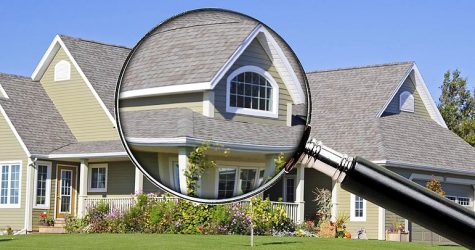 Home value in the Outer Banks is shaped by more than square footage or a headline location. Two homes that look similar on paper can carry very different value depending on town, water orientation, condition, layout, maintenance, market comps, and how buyers react to the full coastal ownership picture.
Location still leads
Location is usually the first major driver of value, but in the Outer Banks that means more than just the town name. Buyers often react to a combination of oceanfront or soundside position, beach access, central versus northern location, neighborhood feel, proximity to services, and how the property fits the lifestyle they want.
That is why homes in the same general area can still perform differently. A property’s immediate setting, not just its mailing address, often shapes how buyers compare it with other homes on the market.
Coastal factors matter
In the OBX, coastal exposure can influence value in both positive and negative ways. Water views, beach access, and oceanfront positioning can support stronger buyer demand, but flood exposure, erosion sensitivity, maintenance burden, and insurance implications can also change how buyers evaluate the same home.
This is one reason coastal value is rarely one-dimensional. Buyers may pay more for location advantages, but they also weigh the long-term realities that come with owning near the ocean or sound.
Condition and maintenance carry real weight
Property condition has a direct effect on value because buyers and appraisers look closely at deferred maintenance, visible wear, needed repairs, and the overall quality of upkeep. Fannie Mae requires appraisal reports to reflect apparent adverse conditions, immediate repair needs, deferred maintenance, and any issues that affect safety, soundness, or structural integrity.
In practical terms, this means the condition is not judged by one cosmetic feature alone. A home is viewed more holistically, including major systems, materials, maintenance history, and whether the property presents as well-kept, updated, or in need of more work.
Updates do not all contribute equally
Not every improvement adds value in the same way. Fannie Mae distinguishes between homes that are not updated, updated, or remodeled, and it also makes clear that value must be supported by market reaction rather than simply by how much an owner spent on the work.
That is especially relevant in the Outer Banks, where buyers often care about functional improvements, coastal durability, and overall fit more than renovation cost by itself. A smart update can help, but only if the market sees it as useful and appropriate for that property and location.
Layout, usability, and conformity
Usable space matters, but so does how that space works. Fannie Mae notes that unusual layouts, nonconforming improvements, and mismatches with neighborhood expectations can affect marketability and value, especially when buyers compare the home with more functional alternatives.
That helps explain why two homes with similar square footage can still land in different value ranges. The room count, floor plan, flow, and overall conformity to the surrounding competitive market all shape buyer response.
Comparable sales anchor value
Comparable sales remain one of the strongest anchors of value because they show what buyers have recently paid for similar homes in the same or a competing market area. Appraisal guidance emphasizes that value must be built on market-supported evidence, not assumptions, and that similar properties must be compared logically with adjustments for real differences.
In the Outer Banks, that means town-level comps, property type, condition, water influence, and timing all matter. A contract price or owner opinion does not determine value by itself if recent comparable sales point in a different direction.
Effective age can matter more than actual age
A home’s actual age is only part of the picture. Fannie Mae notes that effective age is often a better signal of condition because a well-maintained older home may perform more like a newer one, while a newer home with deferred maintenance may perform below expectations.
This is especially useful in the OBX, where exposure to salt air, moisture, and weather can accelerate wear if maintenance has not kept up. Buyers often respond to how a home feels and functions now, not just the year it was built.
Market conditions still influence value
Broader market conditions also shape what buyers are willing to pay. Inventory levels, demand by town, financing conditions, second-home interest, and seasonal buyer activity can all influence pricing pressure across the Outer Banks.
That said, market conditions do not override property-specific realities. Even in a strong market, condition, layout, location fit, and comparable sales still determine how one home is valued against another.
Related pages
If you are researching OBX pricing and market fit, these pages connect naturally with value questions: