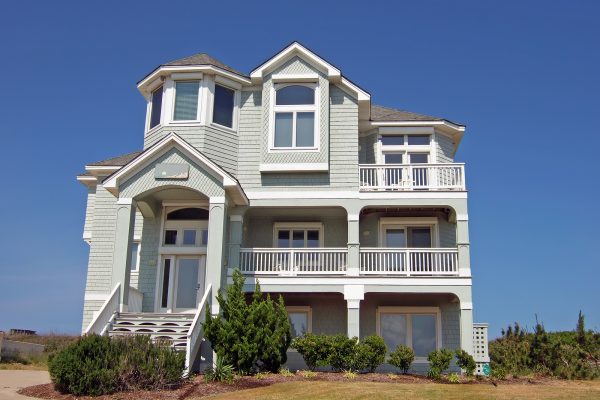
 Buying Outer Banks real estate starts with knowing what kind of ownership fits your plans. Some buyers are looking for a primary home. Others want a second home, a beach house, or a property they may use part of the year and rent at other times. The first big decision is usually not the house itself. It is choosing the right area, the right property type, and the right set of tradeoffs for how you want to use the home.
Start with your goals
The Outer Banks has a wide mix of towns, neighborhoods, and home styles. A buyer looking for a second home in Corolla is usually weighing different things than someone looking for a year-round home in Manteo or a centrally located beach house in Nags Head.
Before you get too far into listings, it helps to answer a few basic questions:
- Will this be a primary home, second home, or future retirement property?
- Do you want to be oceanfront, near the beach, or a little farther back?
- Are you focused on personal use, rental potential, or a mix of both?
- Do you want a quieter setting, a more central location, or a more residential year-round feel?
Choose the right area
One of the biggest mistakes buyers make is treating the Outer Banks like one uniform market. It is not. Towns can feel very different in terms of pace, property mix, beach access, year-round livability, and the kind of ownership they tend to attract. That is why area fit matters early. Corolla, Nags Head, Manteo, Kitty Hawk, Kill Devil Hills, Duck, and the broader Currituck side all appeal to different buyers for different reasons.
Think beyond the listing
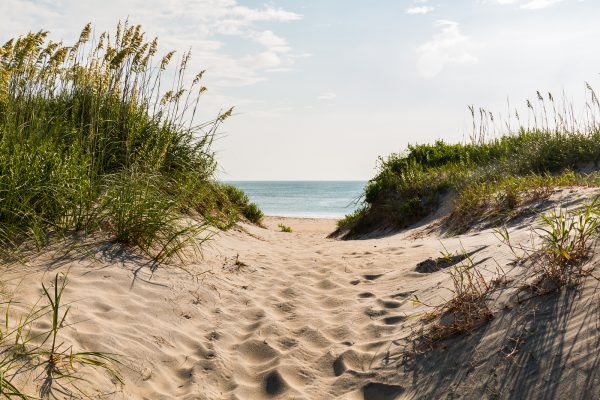 Photos and basic listing details only tell part of the story. In the OBX, buyers also need to think about flood-zone questions, insurance costs, access, maintenance, inspections, and how the property will actually function for their plans.
That is especially true for coastal and second-home purchases. A home can look perfect online and still be the wrong fit once you factor in ownership costs, location tradeoffs, or how you plan to use it.
Get clear on financing and timing
Before you start chasing the right house, it helps to understand your budget, financing options, and what you want your timeline to look like. Pre-qualification or pre-approval can make the search more focused and can also make your offer stronger when the right property comes along.
It also helps to leave room for the costs that come with buying, not just the purchase price. Depending on the property, that can include inspections, surveys, appraisals, insurance, lender-related costs, and closing expenses.
Due diligence matters here
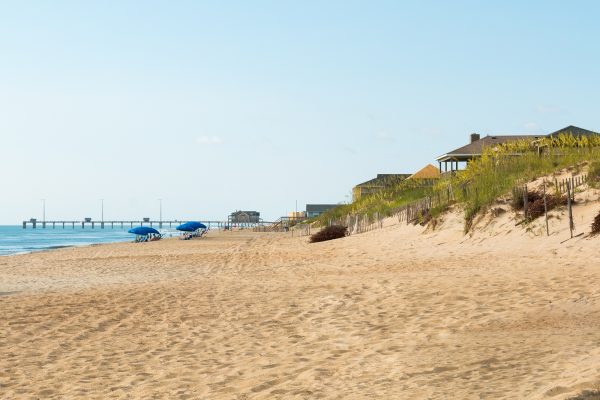
Outer Banks buyers should expect to do careful homework before closing. That may include reviewing flood-zone details, checking insurance requirements, scheduling inspections, understanding community rules, and making sure the property matches both your budget and your long-term plans. This is one of the biggest reasons local guidance matters. The goal is not just to help you find a house. It is to help you avoid surprises and make a decision that still feels right after the closing is over.
A better way to buy in the OBX
The buying process gets much easier when you narrow the search early, compare the right towns, and focus on the type of property that fits your plans. From there, each next step becomes clearer. If you’re buying in the Outer Banks, I can help you compare areas, property types, ownership goals, and the practical details that come with coastal real estate.