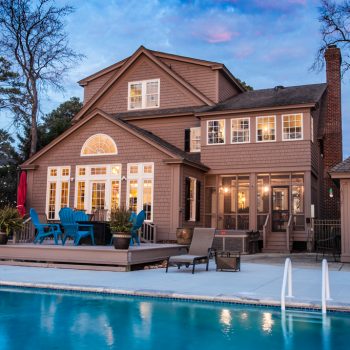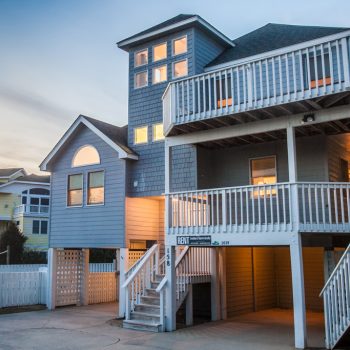
For many Outer Banks second-home owners, retirees, and buyers who value quiet waterfront living, soundfront offers the better balance of lifestyle, personal use, and price. For buyers who prioritize direct beach access, Atlantic views, surf, and premium vacation-rental positioning, oceanfront remains the stronger choice.
Oceanfront is a beach-access purchase. Soundfront is a waterfront-lifestyle purchase. Neither is inherently safer, cheaper, or a better investment without reviewing the specific home’s elevation, flood zone, insurance, shoreline condition, maintenance history, water access, and expected owner use.
Quick Comparison
| Feature | Oceanfront | Soundfront |
|---|---|---|
| Waterfront | Direct Atlantic frontage | Direct frontage on Currituck, Albemarle, Roanoke, or Pamlico Sound |
| Core lifestyle | Beach-first, surf, swimming, sunrise views | Sunset-first, paddling, fishing, boating, and quieter outdoor living |
| Beach access | Direct, subject to dune and local conditions | Requires a separate trip to an ocean access |
| Typical purchase position | Premium waterfront category | Often a lower-cost waterfront alternative |
| Rental appeal | Broad premium demand, especially in peak summer | More specialized appeal based on views, privacy, amenities, and water use |
| Main risk focus | Dunes, erosion, overwash, wind, salt, and exterior exposure | Flooding, drainage, docks, bulkheads, shoreline systems, and water depth |
| Best fit | Beach-first owners and rental-focused buyers | Personal-use owners, boaters, paddlers, retirees, and privacy-focused buyers |
Oceanfront means there is no road or another home between the property and the Atlantic. Soundfront means the home directly faces one of the Outer Banks sounds, though the usable water access, depth, wind exposure, and shoreline condition can vary considerably by community and parcel.
Best Fit by Buyer
| Buyer Goal | Better Choice | Why |
|---|---|---|
| Direct Atlantic beach access | Oceanfront | The beach is part of the property’s immediate setting |
| Premium summer rental appeal | Oceanfront | Direct beach access and ocean views are easy for vacation guests to understand and value |
| Frequent personal use | Soundfront | A quieter, home-centered waterfront lifestyle can work across seasons |
| Retirement or long stays | Soundfront | Better suited to sunsets, outdoor living, and a lower-intensity routine |
| Surf and beach activity | Oceanfront | Direct access to the Atlantic is the defining benefit |
| Kayaking and paddleboarding | Soundfront | Sound water is often calmer than Atlantic surf |
| Boating or dock potential | Soundfront | Subject to depth, permits, dock condition, lift capacity, and navigability |
| Privacy | Soundfront | Often less beach-traffic-oriented, depending on lot and community |
| Lower purchase premium | Soundfront | Often more attainable than comparable direct oceanfront inventory |
| Luxury prestige | Oceanfront | Direct Atlantic frontage remains the flagship waterfront position |
| Rental-first ownership | Oceanfront | Stronger broad-market vacation proposition, with more operating risk |
| Lifestyle-led second home | Soundfront | Often stronger for personal use beyond the summer season |
The Real Difference
Oceanfront and soundfront homes represent different ownership experiences.
Oceanfront buyers are purchasing direct Atlantic access, beach proximity, sunrise views, surf, sand, changing weather, and a property type that visitors understand immediately. That clarity can support premium peak-season rental demand, but it also comes with a higher purchase premium and greater exposure to salt, wind, sand, storms, exterior wear, dunes, and erosion concerns.
Soundfront buyers are usually purchasing sunsets, calmer water, boating or paddling potential, fishing, privacy, and a home-centered outdoor lifestyle. The beach remains accessible, but it becomes an outing rather than the front yard.
The key distinction is this:
- Oceanfront is usually the better guest experience.
- Soundfront is often the better owner experience.
That does not make soundfront low-maintenance. A dock, lift, bulkhead, shoreline stabilization system, drainage issue, or shallow-water limitation can become a significant ownership responsibility.
Who Should Choose Oceanfront?
Choose oceanfront if the beach is the central reason you are buying.
Oceanfront is usually the stronger fit if you want:
- Direct beach access
- Unobstructed Atlantic views
- Sunrise exposure
- Surf, swimming, and beach activity close to home
- A premium vacation-rental position
- A home that appeals immediately to guests and visiting family
- A property where the beach itself functions as part of the living space
Oceanfront can work especially well for rental-focused owners who can conservatively underwrite acquisition cost, insurance, maintenance, management, furnishings, owner blocks, and capital reserves. Premium gross bookings do not automatically create better net performance.
What Oceanfront Buyers Should Check
The most important oceanfront question is not simply, “How close is the house to the water?”
Ask: How has the relationship among the home, dune line, beach width, setback, and shoreline changed over time?
A current listing photo does not show dune history, erosion context, storm effects, beach-nourishment timing, or how the functional beach has changed. Review property-specific conditions, elevation, exterior systems, and shoreline history before treating a view as a durable asset.
Who Should Choose Soundfront?
Choose soundfront if you want a quieter waterfront home that feels useful beyond a peak summer beach week.
Soundfront is usually a strong fit if you value:
- Sunset views
- Calm-water recreation
- Kayaking and paddleboarding
- Fishing, crabbing, or boating
- Privacy and outdoor living
- A quieter setting for retirement, remote work, or longer stays
- Waterfront views without making direct beach access the central requirement
Soundfront homes can also work well for hybrid owners who want personal enjoyment first and selective rental income second. The property’s success depends on usable water access, beach convenience, amenities, condition, and marketing—not just the soundfront label.
What Soundfront Buyers Should Check
A water view is not automatically usable water access.
Buyers considering a boat should verify:
- Water depth at the dock and along the route
- Dock, lift, pier, and pilings condition
- Permit status and repair restrictions
- Navigable access to the intended waterway
- Bulkhead condition and expected service life
- Shoreline stabilization needs
- Wind exposure
- Drainage and flood history
- Storage and launch access for paddleboards, kayaks, or other equipment
A soundfront deck may be beautiful but less usable during prevailing southwest summer winds. Spend time at the property during the season and weather conditions in which you expect to own it.
Best Oceanfront Areas
Corolla
Corolla oceanfront often appeals to buyers looking for larger vacation homes, pools, elevators, family-group capacity, and a rental-led ownership model. Compare the specific home’s dune condition, beach width, road access, parking, amenities, and capital needs rather than relying on the oceanfront classification alone.
Duck
Duck oceanfront can pair direct Atlantic access with a stronger town lifestyle. A property may benefit from access to the Duck Boardwalk, Town Park, restaurants, shops, and village amenities, which can broaden owner and guest appeal. The trade-off may be more seasonal activity and less privacy than a more remote oceanfront setting.
Southern Shores
Southern Shores oceanfront can suit buyers who want direct Atlantic frontage in a quieter, more residential environment. Evaluate lot configuration, elevation, dune condition, parking, association context, beach access, and whether the home works well for off-season personal use.
Kitty Hawk and Kill Devil Hills
Oceanfront homes in Kitty Hawk and Kill Devil Hills can combine beach access with practical proximity to restaurants, services, shopping, and the Wright Memorial Bridge corridor. Traffic, beach width, drainage, street layout, dune condition, and rental concentration can differ substantially from property to property.
Nags Head
Nags Head oceanfront often appeals to buyers who want established coastal character, beach access, a central location, and nearby dining. Review setback, dune condition, beach-nourishment context, exterior maintenance history, and the home’s fit for personal use versus rental operation.
Rodanthe, Avon, and Hatteras
Hatteras Island oceanfront offers a more remote, surf-oriented experience with different weather, wind, access, and service considerations. Rodanthe, Avon, Buxton, Frisco, and Hatteras Village should not be treated as one market: beach dynamics, sound proximity, road access, rental patterns, elevations, and community services vary materially.
Best Soundfront Areas
Corolla and Currituck Sound
Currituck Sound homes can appeal to buyers seeking wide-water sunsets, wildlife, privacy, and calmer-water recreation. They are often attractive for paddlers and anglers, but boating utility must be verified at the parcel level; a waterfront location does not guarantee usable depth or dependable navigation.
Duck and Southern Shores
Soundfront homes in Duck and Southern Shores can offer water views and a more residential ownership experience while retaining varying degrees of access to restaurants, services, and the ocean beach.
Duck buyers should compare beach-access convenience with the benefits of a soundfront setting. Southern Shores buyers should pay particular attention to canals, docks, bulkheads, drainage, civic-association matters, and any property-specific beach-access arrangements.
Kitty Hawk and Kill Devil Hills
Roanoke Sound homes in Kitty Hawk and Kill Devil Hills can suit buyers who want sunsets, water views, and a practical central Outer Banks location. Assess shoreline condition, wind exposure, water entry, dock condition, drainage, and road access before assuming that a soundfront view supports boating or paddling.
Nags Head
Nags Head soundfront homes can offer sunsets, water recreation, and convenient proximity to services. The important distinction is whether the property provides actual water access, a usable dock, and functional outdoor living—or only a scenic water view.
Hatteras Island and Pamlico Sound
Pamlico Sound homes in Avon, Buxton, Frisco, and Hatteras can appeal to anglers, boaters, paddlers, and kiteboarders. Prevailing winds can make certain locations excellent for wind sports but less comfortable for outdoor dining or casual deck use at certain times. Test the setting in realistic conditions.
Rentals and Investment
Oceanfront has the clearest premium rental story. Direct beach access, ocean views, and a location guests can understand quickly may support stronger rates and earlier booking patterns during high-demand summer weeks.
That advantage must be measured against:
- Higher acquisition cost
- Flood, wind, and homeowners insurance
- Salt, sand, wind, and UV exposure
- Deck, railing, roof, window, and HVAC maintenance
- Pool, elevator, furnishing, and exterior amenity expectations
- Management, cleaning, linens, guest support, and damage costs
- Owner blocks during high-value weeks
- Storm-response and capital-reserve requirements
Soundfront can be a strong hybrid-rental option. A home with a usable dock, water access, pool, outdoor living, privacy, sunsets, and practical beach access may appeal to a specific but loyal guest segment.
The correct investment comparison is not oceanfront gross income versus soundfront gross income. It is net ownership performance after debt, insurance, maintenance, management, reserves, and owner use.
Property Examples
A six-bedroom oceanfront house in Duck may command stronger weekly summer rental income than a similarly sized soundfront property because direct beach access is a familiar premium to vacation renters. The oceanfront owner should still budget for higher insurance, exterior maintenance, capital work, furnishings, and management costs.
A soundfront home in Nags Head with a maintained dock may appeal strongly to a family that wants boating, fishing, paddleboarding, sunsets, and convenient access to restaurants and services. It may cost less than comparable oceanfront inventory, but the buyer should inspect water depth, dock systems, permits, bulkhead condition, drainage, and wind exposure before assuming it is the lower-cost choice.
Five-Year Ownership Costs
Waterfront homes should be evaluated over five years, not only at closing. Exact costs vary by property, but both ownership models need realistic reserves.
| Cost Area | Oceanfront Focus | Soundfront Focus |
|---|---|---|
| Exterior paint and corrosion | Salt, sand, wind, UV, fasteners, railings, and fixtures | Salt, humidity, wind, and water-facing exterior systems |
| Roof and windows | Wind wear, flashing, seals, roof penetrations, doors, and windows | Wind wear, seals, drainage, water-facing windows and doors |
| Decks and railings | Boards, fasteners, stairs, railings, and walkovers | Decks, stairs, railings, dock access, and waterfront exposure |
| HVAC | Salt-air corrosion and potentially shorter equipment life | Humidity, salt air, corrosion, and service access |
| Shoreline systems | Dune condition, erosion context, beach access, and walkovers | Bulkheads, docks, lifts, piers, shoreline stabilization, and permits |
| Insurance | Flood, wind, homeowners coverage, deductibles, replacement cost | Same policies plus parcel-specific flood and waterfront-structure analysis |
| Capital reserve | Storm repair, roof, decks, exterior systems, furnishings | Storm repair, dock, bulkhead, drainage, exterior systems, furnishings |
Oceanfront owners should monitor dunes, exterior fasteners, decks, roof penetrations, windows, HVAC components, and beach conditions. Soundfront owners should reserve for docks, lifts, bulkheads, drainage, and shoreline work even when those systems appear functional during inspection.
Flood, Wind, and Storm Risk
No waterfront category is inherently hurricane-proof.
Oceanfront due diligence should include FEMA flood-zone information, elevation, dune condition, beach width, overwash and erosion context, coastal setbacks, access after storms, roof and exterior condition, and property-specific flood, wind, and homeowners insurance quotes.
Soundfront due diligence should include flood zone, elevation, drainage, shoreline condition, bulkheads, docks, tidal effects, wind exposure, water depth, road access, and the insurance treatment of waterfront structures.
Insurance costs cannot be responsibly estimated at the community level. A nearby home may have a different elevation, roof, construction type, replacement cost, deductible, flood zone, wind exposure, claims history, or coverage structure.
Before making an offer, review the Outer Banks Flood Insurance Guide and obtain preliminary coverage quotes for the exact property.
Is Oceanfront Worth the Extra Cost?
Usually, yes—if direct beach access is your top priority and the additional acquisition cost, insurance, maintenance, and storm exposure fit your financial plan.
If your actual priority is quiet, sunsets, privacy, outdoor living, boating, paddling, or a home that feels useful in every season, soundfront can provide stronger lifestyle value at a lower entry point.
Which Holds Value Better?
Neither category automatically holds value better in every market cycle.
Oceanfront has a broad premium buyer pool because direct Atlantic access is easy to understand and scarce. Soundfront can hold value very well when it provides usable waterfront access, protected views, maintained docks or bulkheads, manageable insurance, and a location that appeals to both lifestyle buyers and vacation owners.
The strongest resale profile usually includes:
- Clear water or beach access
- Manageable insurance
- Good elevation and drainage
- Maintained exterior and waterfront systems
- Functional layout and outdoor space
- Broad buyer appeal
- Realistic long-term maintenance requirements
Which Is Easier to Sell?
Oceanfront can be easier to market because the core proposition is direct and intuitive: walk out to the beach.
Soundfront can sell exceptionally well, but buyers often scrutinize more operational details: depth, dock condition, bulkhead life, wind exposure, shoreline access, flood profile, beach-access convenience, and whether the view translates into usable recreation.
Which Has Lower Vacancy Risk?
Oceanfront usually has broader summer vacation demand. Soundfront may attract a smaller but distinctive audience of boaters, anglers, paddlers, kiteboarders, and guests seeking a private retreat.
Neither should be evaluated with broad assumptions. Review historical rent rolls, booking patterns, owner blocks, management agreements, operating expenses, and comparable properties before incorporating rental income into your buying decision.
Buying Checklist
- Define whether beach access, rental income, calm-water recreation, privacy, or full-time living is the first priority.
- Visit the property at different times of day to assess sun, wind, water conditions, beach activity, traffic, and outdoor-space usability.
- Review FEMA flood-zone data and request the elevation certificate if available.
- Obtain preliminary flood, wind, homeowners, and liability quotes for the exact property.
- For oceanfront homes, assess dune condition, shoreline history, beach width, setbacks, erosion context, and walkovers.
- For soundfront homes, inspect dock, lift, pier, bulkhead, drainage, shoreline stabilization, water depth, permits, and navigability.
- Hire inspectors familiar with coastal pilings, roofs, decks, windows, HVAC, corrosion, drainage, and exterior systems.
- Confirm HOA, municipal, county, CAMA, and other environmental restrictions affecting repairs or future improvements.
- Request rent rolls, operating expenses, owner blocks, and management terms for rental properties.
- Build a capital reserve for waterfront repairs before deciding the home is affordable.
- Confirm local vendors for storm preparation, post-storm inspections, HVAC, decks, pools, docks, bulkheads, and maintenance.
- Test the lifestyle in the weather and season in which you expect to own the home.
FAQ
Is oceanfront or soundfront better for a second home?
Soundfront is often better for balanced personal use, calmer water, privacy, and year-round waterfront enjoyment. Oceanfront is better for buyers who want direct beach access and premium rental appeal to lead the purchase.
Are oceanfront homes more expensive than soundfront homes?
Usually. Direct ocean frontage is generally the premium waterfront category in the Outer Banks, while soundfront often provides a more attainable alternative. The actual price depends on town, condition, elevation, views, access, amenities, insurance, and waterfront usability.
Are soundfront homes cheaper to insure?
Not necessarily. Insurance depends on property-specific factors including elevation, flood zone, construction, replacement cost, wind exposure, roof condition, deductible structure, and claims history.
Do oceanfront homes rent better?
Oceanfront homes can command higher rates and earlier peak-season bookings because vacation guests value direct beach access and ocean views. Buyers should calculate net income after insurance, management, maintenance, reserves, furnishings, and owner-use blocks.
Are soundfront homes good rentals?
They can be, particularly for guests who value sunsets, fishing, boating, paddling, privacy, docks, pools, and outdoor living. Their appeal is more property-specific than direct oceanfront, so water access and amenities matter greatly.
Which is better for boating?
Soundfront is generally the stronger starting point, but suitability depends on water depth, dock condition, permits, lift capacity, navigable access, and the type of boat you own.
Which is better for surfing?
Oceanfront, because it offers direct Atlantic surf access.
Is oceanfront more exposed to erosion?
Generally, yes. Oceanfront ownership is more closely tied to dune condition, beach width, erosion patterns, overwash context, and beach-nourishment timing.
Is soundfront safer during storms?
There is no responsible blanket answer. Soundfront properties may face flooding, drainage, dock, bulkhead, shoreline, and access issues. Oceanfront properties may face wind, erosion, dune, overwash, and wave-related exposure. The property’s elevation, construction, maintenance, and exact setting determine its risk.
What should I inspect in a soundfront home?
Inspect bulkheads, docks, piers, boat lifts, shoreline stabilization, drainage, water depth, permits, structural condition, electrical systems, tidal exposure, and actual water access.
What should I inspect in an oceanfront home?
Inspect pilings, roof, siding, decks, railings, fasteners, windows, HVAC, drainage, flood history, dune condition, shoreline context, walkovers, exterior corrosion, and signs of water intrusion.
Final Recommendation
Choose oceanfront if the beach is central to your ownership plan and you can comfortably support the premium price, insurance, maintenance, storm planning, and reserves that come with direct Atlantic exposure.
Choose soundfront if you want a quieter, more flexible waterfront lifestyle built around sunsets, calm-water recreation, boating or paddling potential, privacy, and personal use across seasons.
The best waterfront home is not determined by whether it faces east or west. It is the property whose access, elevation, shoreline condition, insurance profile, maintenance demands, rental potential, and daily lifestyle fit match how you will actually use it.