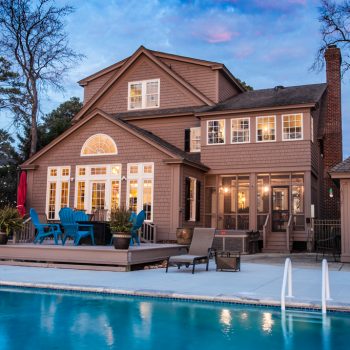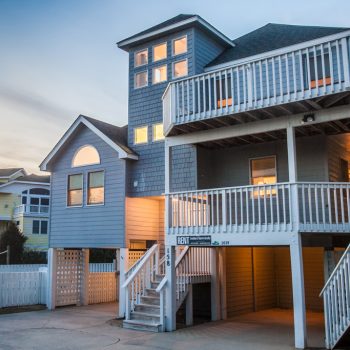
For families buying in the Outer Banks, Kitty Hawk and Kill Devil Hills are often the strongest starting points for year-round convenience, while Nags Head is a compelling choice for beach-centered family life. Manteo is especially attractive for families who want a more traditional year-round town setting, and Southern Shores suits buyers who prioritize a quieter residential environment. Duck and Corolla can be excellent for second-home families and multigenerational beach use, but they usually involve different trade-offs around daily convenience, driving, and seasonality.
The right town depends on the type of family purchase you are making. A full-time household needs a practical weekday routine. A second-home family may care more about beach access, room for guests, and the ease of arriving for school breaks. A rental-minded family must also evaluate ownership costs, local rules, and whether the home still works for personal use.
Key takeaways
-
Kitty Hawk is often the best overall starting point for full-time families seeking residential options and practical access to everyday services.
-
Kill Devil Hills is a strong choice for families who want central convenience, public beach access, parks, recreation, and a wide range of home locations.
-
Nags Head suits families who want beach and outdoor recreation to shape everyday life, with several distinct property settings to compare.
-
Manteo is a compelling option for families who prefer a quieter, more year-round town environment and are comfortable driving to the Atlantic beach.
-
Southern Shores fits families seeking a calmer residential home base near the Northern Beaches corridor.
-
Duck and Corolla are often better for second-home, vacation-home, or multigenerational family use than for households that need quick access to everyday services.
-
School attendance, beach access, HOA rules, property condition, flood and insurance questions, and travel time should be evaluated at the exact address—not assumed from the town name.
Quick recommendations
What families need to understand first
The phrase “best Outer Banks town for families” covers several different searches. A family moving full-time, a couple buying a future retirement home with children still at home, and an out-of-state family buying a vacation property do not need the same location.
Before comparing towns, decide which of these describes your primary goal:
-
A full-time home near schools, activities, healthcare, groceries, and friends
-
A second home for long weekends, holidays, and school breaks
-
A beach house with room for extended family and visiting guests
-
A property used personally with selective vacation rentals
-
A future retirement home that needs to work for family visits now
That decision changes the town recommendation.
A full-time family may value an efficient route to school, after-school programs, daily services, and a manageable home layout. A second-home family may value beach access, a pool, a large common area, and the ability to walk or bike to restaurants. A rental-focused buyer must decide whether rental demand is truly the main goal or whether personal family use should lead the decision.
Master family comparison
Kitty Hawk: Best overall for balanced family living
Kitty Hawk is often the best all-around town for families who expect to use an Outer Banks property as a full-time home or who want a second home that can eventually become one. Its central Northern Beaches position makes it practical for regular errands, nearby activities, and travel to other towns.
The appeal is not that every Kitty Hawk property is identical. It is that families can compare different settings: ocean-side homes, soundside homes, established residential streets, and locations closer to services. That flexibility helps a buyer choose a home based on daily routine rather than a one-size-fits-all image of Outer Banks living.
Best buyer profiles
-
Full-time families who need practical access to routine services
-
Families transitioning from a vacation home to a primary residence
-
Buyers who want both beach access and a manageable weekday lifestyle
-
Remote-working parents who need a useful central location
-
Families seeking residential character without moving far from the beach corridor
Advantages
-
Central placement between Southern Shores and Kill Devil Hills
-
Mix of home settings for different budgets, household sizes, and ownership goals
-
Practical access to nearby services and family activities
-
Ability to compare ocean-side, soundside, and residential environments
Trade-offs
-
The town is not uniformly walkable, quiet, or equally convenient from every address
-
Properties close to active roads or commercial areas may feel different from soundside or interior residential homes
-
A beach-oriented property may not be the same as the best home for storage, a home office, school routines, or long-term maintenance
Ownership considerations
Families should verify the property’s specific flood-zone information, insurance options, maintenance needs, access route, parking, storage, and neighborhood pattern. If the home is in an HOA or condo association, review rules, budgets, reserves, assessments, pet policies, parking, and rental restrictions.
Local perspective: The best full-time Kitty Hawk choice is often not the house with the most vacation appeal. It may be the home with better storage, a simpler daily route, more usable parking, and an ownership burden the family can maintain throughout the year.
Explore Kitty Hawk real estate for property-level options and related buyer guidance.
Kill Devil Hills: Best for central convenience and activity
Kill Devil Hills is a strong option for families who want to be centrally located, close to public beach access, and near a broad mix of services and recreation. It offers a range of property types and locations, allowing buyers to choose between ocean-side proximity, soundside settings, central residential streets, and areas near parks or multi-use paths.
For families with school-age children, the town’s role as a Northern Beach recreation hub can be meaningful. Dare County’s Northern Beach Division operates from the Dare County Youth Center at Family Recreation Park in Kill Devil Hills, where youth and adult programming is offered. The location is also within walking distance of First Flight Middle School and First Flight High School.
Best buyer profiles
-
Families who want central access to the Northern and Central Beaches
-
Buyers who value public beach access and a broad range of activity options
-
Households that want parks, recreation, and services nearby
-
Families who want to reduce drive time between schools, activities, and errands
-
Buyers who prefer an active location over a highly secluded setting
Advantages
-
Central Outer Banks location
-
Public beach access and a strong beach-oriented lifestyle
-
Recreation resources and programming nearby
-
Broad mix of homes, condos, and property settings
-
Practical access to Kitty Hawk and Nags Head
Trade-offs
-
Some areas can feel busier during peak season
-
Traffic, noise, parking, and walkability differ substantially by road and neighborhood
-
A central location may not suit buyers who prioritize a quiet, low-density retreat
Ownership considerations
Before choosing a home, test the exact daily routes: school, recreation, groceries, beach access, work, and medical appointments. For vacation-rental neighborhoods, assess the surrounding use pattern and decide whether a more active seasonal environment fits your household.
Local perspective: Families often choose Kill Devil Hills for convenience, then discover that micro-location matters more than the town name. A home near the places you use weekly can make daily life easier; a home only a short distance away can create a much more car-dependent routine.
Explore Kill Devil Hills real estate to compare property types and parts of town.
Nags Head: Best for beach-first family life
Nags Head is a compelling choice for families who want beach access, outdoor recreation, and a classic coastal lifestyle to remain part of everyday life. It offers multiple property settings, including ocean-side and soundside homes, areas near Jockey’s Ridge, central locations, and quieter South Nags Head options.
For a family that imagines regular beach walks, fishing, biking, outdoor time, and easy access to local restaurants and activities, Nags Head can be a strong fit. The town also has several parks and recreational areas, but buyers should always verify the exact property’s proximity to the amenities that matter to them.
Best buyer profiles
-
Families who want the beach to be part of their normal routine
-
Second-home families who prioritize ocean access and recreation
-
Buyers who want central access but prefer a distinct beach-town identity
-
Families comparing ocean-side homes with soundside views and water access
-
Households that expect frequent visits from relatives and friends
Advantages
-
Strong beach and recreation identity
-
Central access to services, dining, and surrounding towns
-
Multiple lifestyle settings within one town
-
Good fit for buyers who value outdoor activity and beach proximity
Trade-offs
-
Nags Head is not a single lifestyle; activity, access, and traffic vary by property location
-
The most convenient beach-adjacent areas may be less private or more active in peak season
-
Soundside and ocean-side homes have different maintenance, insurance, access, and lifestyle questions
Ownership considerations
For ocean-side or waterfront homes, coastal due diligence should include property-specific flood information, insurance guidance, condition of decks and exterior systems, drainage, pilings where applicable, and access. For soundside homes, buyers should investigate water access, docks, bulkheads, drainage, permits, and the practical usability of the waterfront.
Local perspective: Nags Head is often best for families who want to use the coast actively rather than just look at it. The right home depends on whether your routine centers on the ocean, sound, outdoor recreation, central convenience, or a quieter setting farther south.
Manteo: Best for a quieter year-round family rhythm
Manteo is worth serious consideration for families who want a more traditional year-round town environment. On Roanoke Island, it offers a historic waterfront downtown, marina area, local restaurants, shops, and a community rhythm that can feel distinct from the barrier-island beach corridor.
For a full-time household, Manteo can offer a different version of Outer Banks life: waterfront and coastal in character, but more centered on town routines than on direct Atlantic beach access.
Best buyer profiles
-
Families seeking a quieter full-time community setting
-
Remote-working parents who value a town-centered environment
-
Buyers who want waterfront access, community events, and local identity
-
Families comfortable driving to the beach rather than walking to it
-
Households looking for a long-term home rather than a vacation-rental-first property
Advantages
-
More traditional town and waterfront environment
-
Year-round community feel
-
Access to Roanoke Island amenities and outdoor spaces
-
Strong alternative for families who do not need to live directly on the beach
Trade-offs
-
Atlantic beach access requires a drive
-
It may not suit a family whose primary reason for buying is daily ocean use
-
Buyers should assess bridge travel and their real routine, not only weekend plans
Ownership considerations
Manteo family buyers should compare property location with school attendance information, work patterns, activities, medical needs, and the frequency with which they expect to visit beach towns. Dare County Schools publishes attendance-zone information and recommends using its official locator for property-specific confirmation; attendance boundaries can change, so buyers should verify before relying on a location decision.
Local perspective: Manteo can be a better family fit than a beach town when the household wants an actual year-round routine, not simply a vacation environment. It is less appropriate when walking to the ocean is non-negotiable.
Read Manteo vs. Nags Head to compare those lifestyles directly.
Southern Shores: Best for quiet residential family living
Southern Shores is often a strong choice for families who want a calmer, primarily residential setting near the Northern Beaches. It can appeal to buyers who value trees, residential streets, beach and sound access, and a lower-commercial-intensity environment while remaining close to Duck and Kitty Hawk.
It is less about walking to a dense retail core and more about creating a quiet family home base with access to nearby amenities when needed.
Best buyer profiles
-
Families who value privacy and a residential neighborhood feel
-
Retirees with visiting children and grandchildren
-
Remote-working households seeking a quieter daily environment
-
Buyers who want Northern Beaches access without a central commercial setting
-
Families who prefer a home that feels like a retreat
Advantages
-
Primarily residential character
-
Proximity to Duck and Kitty Hawk
-
Potential for quieter streets and more natural surroundings
-
Suitable for buyers who value privacy over immediate walkability
Trade-offs
-
Less suitable for families who want to walk to frequent dining, shopping, or activities
-
Beach access and community amenities should be confirmed for the specific property
-
The quieter setting can mean more reliance on driving
Ownership considerations
Verify civic-association or HOA obligations, beach-access rules, permits, parking, guest eligibility, and property-specific insurance and maintenance needs. Do not assume every Southern Shores home has the same access rights or ownership requirements.
Explore Southern Shores real estate for a more detailed local guide.
Duck: Best for second-home families who value a village experience
Duck is often a compelling choice for families buying a second home or vacation home. Its town trail, soundside boardwalk, restaurants, shops, and community spaces can make personal use feel easy and enjoyable, especially for long weekends and school breaks.
It is particularly attractive to families who want to arrive, park the car, walk or bike to activities, and build a repeatable vacation routine. But it should not be assumed to be the best full-time family choice for every household.
Best buyer profiles
-
Second-home families prioritizing personal use
-
Families with older children who value dining, biking, and independent activity nearby
-
Multigenerational buyers who want an easy gathering place
-
Buyers who value a village atmosphere more than central daily convenience
Trade-offs
-
Daily services and full-time routines can be less convenient than in the central towns
-
Beach access is community and property specific
-
Seasonal activity may differ from the off-season experience
-
A family seeking a large, private home may find Corolla a better comparison
For the key decision between village convenience and larger-home space, see Duck vs. Corolla.
Corolla: Best for large-family and multigenerational use
Corolla is often worth comparing for families who want more space, larger homes, beach-oriented use, and a more removed Northern Beaches setting. It can be a strong fit when the property itself needs to accommodate several generations, visiting relatives, or a larger group of guests.
For a full-time family, however, the distance from central services is an important trade-off to test in real life.
Best buyer profiles
-
Families seeking larger homes and room for guests
-
Multigenerational second-home buyers
-
Buyers who prioritize beach use, privacy, and space
-
Households comfortable with a more planned, car-dependent routine
Trade-offs
-
More driving for many daily needs
-
Seasonal traffic and rental activity can affect the experience
-
The property and neighborhood must be evaluated individually; not every Corolla home offers the same level of privacy or convenience
Family buyer personas
Full-time family with school-age children
Start with: Kitty Hawk, Kill Devil Hills, Nags Head, and Manteo.
Priorities usually include routine, school-attendance confirmation, parks and activities, storage, parking, internet, healthcare access, and manageable maintenance. Do not select a community only because it was enjoyable during a vacation; test ordinary weekday routes.
Second-home family
Start with: Duck, Nags Head, Kill Devil Hills, Kitty Hawk, and Corolla.
Priorities often include beach access, drive time from arrival routes, usable bedrooms, parking, outdoor space, owner-use flexibility, and the ability to enjoy the home without a complicated setup every visit.
Multigenerational family
Start with: Corolla, Nags Head, Duck, and selected Kitty Hawk or Kill Devil Hills homes.
Look beyond bedroom count. Evaluate layout, stairs, elevators, bathroom access, parking, outdoor gathering space, beach route, pool and safety features, storage, and whether the home works for young children and older relatives.
Remote-working family
Start with: Kitty Hawk, Kill Devil Hills, Nags Head, Manteo, and Southern Shores.
Verify broadband and mobile service at the actual address. Then assess whether the home has enough separation for work, school, guests, and daily life. A beautiful view cannot solve an inadequate work layout or unreliable connectivity.
Family buying a home with selective rentals
Start with: Nags Head, Kill Devil Hills, Duck, Corolla, and Kitty Hawk.
Start with how your family will actually use the home. Then evaluate rental history, management terms, operating expenses, insurance, HOA rules, owner blocks, guest logistics, and capital reserves. Gross rental revenue is not the same as profit or affordability.
What families commonly overlook
School attendance is address-specific
Do not assume a town name determines a school assignment. Dare County Schools publishes attendance information and directs families to its official locator for property-specific confirmation. Confirm current boundaries directly with the district before making a decision based on school location.
The home must work in ordinary weather
A property that feels perfect during a sunny viewing should also work on a rainy weekday, in winter wind, with groceries to carry, children to transport, and outdoor equipment to store. Check entry access, mudroom or storage needs, parking, stairs, drainage, and the route from home to car.
Family use changes the property equation
A vacation-rental layout with many bunk rooms may be ideal for guests but less practical for a full-time family. A full-time home may need different storage, closet space, office areas, kitchen function, and maintenance simplicity.
Town fit is not neighborhood fit
The road, lot, adjacent homes, surrounding rental activity, beach-access route, traffic pattern, and distance to key destinations can change the experience more than the town label.
Family buyer mistakes
-
Choosing based only on a favorite family vacation memory
-
Assuming the whole town has the same school access, traffic, or lifestyle
-
Treating beach distance as more important than weekday convenience
-
Not testing school, work, grocery, recreation, and medical routes
-
Ignoring storage, parking, stairs, and home layout for daily family life
-
Assuming a rental-oriented home is automatically suitable as a primary residence
-
Relying on projected rental revenue without reviewing expenses and reserves
-
Skipping property-specific flood, insurance, and maintenance review
-
Failing to confirm HOA rules, beach access, pet rules, parking, and rental restrictions
-
Choosing a remote setting without considering how often the family needs services
Buyer regret prevention
“We expected a beach home, but daily life feels inconvenient.”
What buyers expect: Easy access to the coast and a relaxed family lifestyle.
What reality may be: Every school, grocery, medical, or activity trip requires more driving than expected.
How to avoid it: Build a weekday route map before you make an offer. Drive it at realistic times and determine whether the home fits full-time use.
“We bought the bigger vacation house, but it is too much home to manage.”
What buyers expect: Room for relatives, guests, and future rentals.
What reality may be: More bedrooms, pools, decks, exterior systems, and amenities can increase maintenance, coordination, and capital needs.
How to avoid it: Compare the practical ownership burden, not just the guest capacity. Inspect all major systems and create a reserve plan.
“We assumed the community access would work for our family.”
What buyers expect: Easy beach, sound, parking, or amenity access.
What reality may be: Access may depend on an association, permits, parking limits, guest rules, or a route that is inconvenient with children and equipment.
How to avoid it: Confirm access rights, parking, walkovers, paths, and rules associated with the exact property.
“We planned around rental income and lost the weeks we wanted to use.”
What buyers expect: Family use plus income that offsets costs.
What reality may be: The highest-demand rental weeks may be the same weeks the family wants the house.
How to avoid it: Set the owner-use calendar first, then evaluate the rental strategy conservatively using actual history and expenses where available.
When local real estate expertise matters
Local guidance becomes especially valuable when a family is comparing several towns, choosing between ocean-side and soundside locations, moving from out of state, evaluating a rental property, or trying to understand why two nearby homes have very different ownership implications.
Trish Lusk, Broker in Charge and REALTOR® with CENTURY 21 Nachman Realty, can help buyers compare communities, property types, and the practical coastal due-diligence questions that affect family ownership. That includes organizing the questions to bring to inspectors, insurance professionals, lenders, associations, and other qualified specialists.
Which Outer Banks town is right for your family?
Choose Kitty Hawk if you want the best overall balance of residential living, central access, and flexibility for a full-time family routine.
Choose Kill Devil Hills if you want public beach access, recreation, central convenience, and an active setting near services.
Choose Nags Head if you want the beach and outdoor recreation to be part of everyday family life.
Choose Manteo if you want a quieter, town-centered waterfront routine and are comfortable driving to the Atlantic beach.
Choose Southern Shores if a calmer residential home base and privacy matter more than immediate walk-to amenities.
Choose Duck if the goal is a connected second-home experience with walking, biking, dining, and family weekends built into the location.
Choose Corolla if you need more room for a large family or multigenerational use and are comfortable with a more remote, car-dependent routine.
Frequently asked questions
What is the best Outer Banks town for families?
For many full-time families, Kitty Hawk is the strongest overall starting point because it balances residential options with everyday convenience. Kill Devil Hills, Nags Head, and Manteo are also strong candidates depending on whether the family prioritizes central access, beach life, or a quieter town setting.
Is Kill Devil Hills a good place for families?
Yes, especially for families who want central access to public beaches, recreation, activities, and services. The best fit depends on the exact neighborhood, traffic tolerance, school routine, and whether the family prefers an active or quieter setting.
Is Kitty Hawk good for year-round family living?
Kitty Hawk can be a strong year-round choice because it offers a mix of residential areas and practical access to nearby services. Buyers should compare specific ocean-side, soundside, and interior locations based on their daily routine.
Is Nags Head good for families living full-time?
Nags Head can work well for families who want beach access and outdoor recreation to be central to daily life. It is particularly worth considering when the household values central convenience but wants a classic beach-town setting.
Is Manteo a good place to raise a family?
Manteo can be a strong fit for families who want a more traditional year-round town environment, waterfront character, and local community feel. It is less suitable for buyers who need to walk to the Atlantic beach every day.
Which Outer Banks town is best for a quiet family home?
Southern Shores is often a strong choice for families prioritizing residential calm and privacy near Northern Beaches services. Manteo can also work for a quieter town-centered lifestyle, while Hatteras Island may appeal to families seeking a more remote setting.
Which Outer Banks town is best for a second home with children?
Duck, Nags Head, Kill Devil Hills, Kitty Hawk, and Corolla can all work well. The best choice depends on whether the family values village walkability, public beach access, central convenience, large-home capacity, or a more private retreat.
Are Outer Banks schools determined by the town where you buy?
Not always. School attendance is address-specific. Buyers should verify the current attendance zone directly with Dare County Schools and use the district’s official locator before relying on a school assignment.
Which Outer Banks town is best for a large multigenerational family?
Corolla, Nags Head, Duck, and selected homes in Kitty Hawk or Kill Devil Hills are worth comparing. The decision should consider layout, stair and elevator needs, outdoor space, parking, beach access, and the property’s maintenance burden—not only bedroom count.
Should a family buy a vacation rental or a personal-use beach home?
Start with how your family expects to use the home. A personal-use property offers more control over school breaks, holidays, and favorite weeks. A rental-oriented purchase requires separate analysis of income history, operating costs, management, insurance, HOA rules, and owner-use restrictions.
What should families inspect before buying an Outer Banks home?
The inspection scope depends on the home, but buyers commonly need to assess roof, decks, exterior systems, HVAC, drainage, pilings, windows, pools, elevators, septic, docks, bulkheads, and pest conditions where applicable. Coastal experience matters when selecting inspection professionals.
What should families ask about an HOA or condo association?
Ask about dues, budgets, reserves, pending assessments, insurance, rental rules, parking, pets, beach or sound access, architectural restrictions, amenity rules, and whether the association’s requirements fit your intended use.
Related resources
Final decision framework
The best Outer Banks town for your family is the one that supports your actual routine—not simply the one that looks most appealing in listing photos.
Prioritize Kitty Hawk, Kill Devil Hills, Nags Head, and Manteo when full-time routines, services, and year-round use lead the decision. Compare Southern Shores when a calmer residential setting matters more. Start with Duck or Corolla when your priority is a second home, family gathering place, or vacation-oriented ownership model.
Before making an offer, compare the town, the neighborhood, and the exact property with the same care. A local Outer Banks professional such as Trish Lusk can help turn the broad community choice into a property-level decision that fits your family’s goals, ownership plan, and coastal due-diligence needs.