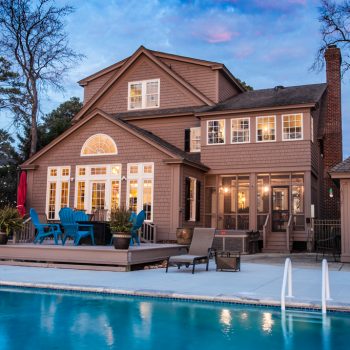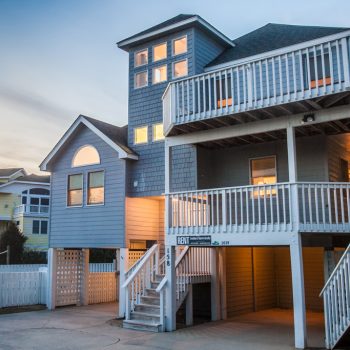
For most Outer Banks buyers, a well-maintained resale home is the safer default because you can evaluate the actual location, condition, maintenance needs, neighborhood dynamics, and rental performance before closing. New construction is the better choice when modern systems, customization, current building practices, and a long-term ownership vision outweigh the added work of managing a builder, contract, selections, inspections, and timeline.
The real decision is not “new versus old.” It is whether you would rather evaluate an existing coastal asset with a visible track record or manage the creation of a new coastal asset designed around your needs.
Quick Answer
Choose resale if you want:
- A faster path to ownership
- A known neighborhood, access pattern, and property setting
- The ability to inspect actual roof, deck, HVAC, drainage, piling, and exterior conditions
- Historical rental income, expenses, guest reviews, and booking data where applicable
- More certainty about near-term ownership costs
Choose new construction if you want:
- A custom layout, finishes, pool, elevator, storage, or rental amenity package
- New roof, HVAC, windows, appliances, decks, and major systems
- More current building and safety standards
- Lower early-cycle replacement risk
- A long ownership horizon and comfort with builder decisions, schedule uncertainty, and project oversight
Both options still require property-level review of flood zone, elevation, wind and flood insurance, drainage, access, maintenance needs, HOA rules, and long-term reserves. A newer home is not automatically low-maintenance or inexpensive to insure, and an older home is not automatically a poor choice if it has been well maintained and documented.
At a Glance
| Buyer goal | Better starting point | Why |
|---|---|---|
| Use the home soon | Resale | A completed home can generally close on a conventional timeline. |
| Know the property’s rental history | Resale | You may be able to review rent rolls, bookings, reviews, expenses, and owner-use blocks. |
| Create a custom layout | New construction | You can shape bedrooms, baths, storage, elevator access, pool design, and finishes before completion. |
| Minimize early replacement needs | New construction | Major systems begin with a new useful life. |
| See real drainage and storm performance | Resale | Existing conditions can be inspected and discussed with owners, managers, and vendors. |
| Buy a lower-complexity first coastal property | Resale | The home, neighborhood, and operating needs are easier to evaluate before purchase. |
| Build around a specific rental strategy | New construction | A home can be designed around guest needs, but projections should not be mistaken for proven income. |
| Need immediate occupancy | Resale | A build schedule may be affected by permits, weather, labor, materials, selections, and inspections. |
| Want current systems and finishes | New construction | Newer construction may offer modern systems and more efficient design choices. |
| Want the broadest neighborhood selection | Resale | Existing homes offer a wider selection of established locations. |
Decision Tree
Use this as a starting point, then compare insurance, elevation, drainage, access, maintenance needs, rental economics, and total ownership cost for the specific properties you are considering.
Need to use the home within the next 60–90 days?
|
|— Yes → Start with resale
|
|— No → Continue
          |
          Need a custom floor plan, elevator, pool, or amenity package?
          |
          |— Yes → Consider new construction
          |
          |— No → Continue
                   |
                   Is verified rental history important to your decision?
                   |
                   |— Yes → Start with resale
                   |
                   |— No → Continue
                            |
                            Are you comfortable managing selections,
                            builder terms, inspections, deadlines,
                            and completion uncertainty?
                            |
                            |— Yes → New construction may fit
                            |
                            |— No → Resale is likely the better fit
The Core Difference
New construction and resale homes solve different ownership problems.
A new home solves for age. It offers new systems, finishes, appliances, roof components, exterior materials, and the opportunity to make design choices before construction milestones pass. It also generally reflects more current building and safety standards than an older home.
A resale home solves for visibility. Buyers can inspect how the property has held up through salt air, wind, rain, storms, rentals, maintenance cycles, and daily use. You can see the actual street, parking reality, beach route, drainage patterns, neighboring development, deck condition, roof age, HVAC condition, and—when relevant—rental performance.
Neither is automatically better. The stronger choice is the one whose uncertainty you are prepared to manage.
Ownership Profiles
The Lifestyle Owner
The lifestyle owner buys primarily for personal enjoyment: long weekends, holidays, shoulder-season stays, remote-work weeks, and possibly eventual retirement. Rental income may help offset costs, but it does not determine the decision.
Best starting point: Resale. A resale home allows the buyer to assess whether the location, access, layout, views, outdoor space, and neighborhood rhythm actually support the way they expect to use the property.
New construction can still work well for a lifestyle owner with a long time horizon who wants accessible design, a particular floor plan, better storage, a private pool, or space tailored to extended family use.
The Rental Operator
The rental operator evaluates the home as an income-producing asset. They care about occupancy, guest reviews, management quality, maintenance expense, owner-use blocks, pool and elevator costs, furnishings, insurance, and reserve planning.
Best starting point: Resale with proven rental history. Existing rent rolls, booking calendars, guest feedback, utility costs, management records, and maintenance history can help a buyer build a more defensible operating model.
New construction can work for this buyer when there is a clear strategy behind the design: the right bedroom-to-bathroom ratio, parking, pool, elevator, storage, outdoor gathering space, durable finishes, and reliable internet. But projected revenue remains an estimate until the home has actual bookings and operating costs.
The Legacy Owner
The legacy owner expects to keep the property for many years, use it with children and grandchildren, and prioritize durability, gathering space, access, and long-term adaptability over short-term optimization.
Best starting point: Either option. Resale may provide a proven location and immediate family use. New construction may be worthwhile when the buyer needs a long-term layout with an elevator, accessible bedroom suite, durable materials, flexible sleeping areas, and intentional storage.
The Simplicity Owner
The simplicity owner wants a second home without becoming a project manager. They may live far from the Outer Banks, have limited time, or simply want fewer decisions after closing.
Best starting point: Resale. A well-inspected resale home with manageable deferred maintenance can provide a clearer transition into ownership. The buyer still needs a reserve plan and local vendors, but the home’s condition is visible before committing.
New Construction vs. Resale
| Category | New construction | Resale home |
|---|---|---|
| Condition | New systems, finishes, appliances, and exterior components | Existing condition can be inspected and documented |
| Building standards | Generally built under more current codes and safety standards | Built under the standards in effect when constructed; later upgrades vary |
| Timing | Subject to permits, labor, weather, materials, selections, and builder schedule | Usually follows a conventional closing timeline |
| Price certainty | Base price can rise through upgrades, allowances, selections, and change orders | Purchase price is more direct, though repairs or credits may be negotiated |
| Location choice | Limited to available lots or active builder projects | Broad choice across established communities |
| Neighborhood context | Future construction, traffic, views, and streetscape may still change | Actual traffic, access, parking, noise, views, and nearby homes can be evaluated |
| Rental history | None | May include rent rolls, booking history, reviews, expenses, and management records |
| Design control | Highest before construction milestones | Limited unless the buyer renovates |
| Early replacement risk | Usually lower, but not eliminated | Varies by age, maintenance history, and inspection results |
| Warranty | Must be confirmed in writing | Usually limited or unavailable from the seller |
| Inspection strategy | Pre-drywall, final, and warranty-period inspections are valuable | Full general and specialized inspections should occur early in due diligence |
| Overall fit | Buyers focused on customization, systems, and long-term design | Buyers focused on location, evidence, timing, and ownership predictability |
North Carolina does not require a builder to provide a one-year written warranty, even though many builders may offer one. Buyers should obtain written warranty terms, exclusions, responsibilities, and claim procedures before committing. Required code inspections also do not replace independent buyer inspections.
Coastal Construction Matters
A generic new-build comparison is not enough for the Outer Banks. Coastal ownership depends heavily on how a home responds to salt air, wind, rain, flooding, humidity, storms, and ongoing exterior exposure.
| Coastal factor | New construction | Resale home |
|---|---|---|
| Exterior materials | Verify siding, roofing, flashing, railings, windows, hardware, and corrosion-resistant fasteners in the specifications | Inspect how existing materials have performed through real coastal exposure |
| Decks and connections | Review deck design, drainage, railings, stairs, fasteners, and access for future repairs | Inspect boards, railings, fasteners, structural connections, stairs, and repair history |
| Pilings and elevation | Review plans, permits, elevation, foundation approach, and site conditions | Inspect visible piling condition, elevation documents, prior repairs, and available records |
| Roof and wind exposure | Review roofing materials, attachment details, drainage, penetrations, and wind-protection design | Evaluate roof age, visible wear, maintenance records, and prior storm repairs |
| Drainage | Confirm grading, runoff design, downspout discharge, and site drainage plan | Look for standing-water evidence, drainage improvements, site wear, and heavy-rain patterns |
| HVAC | Verify equipment placement, service access, corrosion protection, capacity, and warranty terms | Review age, service history, corrosion, capacity, and expected replacement timing |
| Dunes and setbacks | Confirm lot constraints, access, permitted improvements, and site limitations | Assess the current relationship among the home, dunes, access, neighboring development, and shoreline conditions |
| Maintenance profile | Lower early replacement risk, but performance remains unproven | More immediate maintenance may be needed, but existing needs can be priced and prioritized |
A newer home is only as good as its site planning, drainage, construction quality, materials, and maintenance access. A well-maintained 15- or 20-year-old coastal home with documented roof, HVAC, deck, window, drainage, and repair history can be a more predictable purchase than a new home with unclear specifications or a weak builder process.
Who Should Choose New Construction?
Choose new construction if you want a property designed around a specific ownership plan.
That may mean:
- An elevator-ready or accessible layout
- A customized pool, outdoor kitchen, game room, or entertaining area
- A particular bedroom and bathroom configuration for family or rental use
- More storage for beach equipment, owner belongings, and turnover supplies
- Current systems and finishes
- Modern energy and technology features
- Durable materials selected for a coastal environment
- A home office or flexible multi-use space
- A long-term property you expect to own for many years
New construction can be especially attractive for luxury buyers, legacy owners, and rental buyers who understand their guest segment well enough to make informed design decisions.
The buyer should have independent representation from the beginning, request complete specifications, understand allowances and upgrade pricing, obtain written completion expectations, review the warranty, and schedule independent inspections. A builder’s sales representative represents the builder’s interests, not the buyer’s.
Who Should Avoid New Construction?
New construction is usually a poor fit for buyers who:
- Need a firm move-in or occupancy date
- Have limited contingency funds for upgrades, furnishings, delays, and change orders
- Do not want repeated design, material, and timing decisions
- Need verified rental income before making an investment decision
- Are uncomfortable reviewing builder contracts, specifications, allowances, and warranty terms
- Expect municipal inspections to replace buyer-focused inspections
- Want to see proven drainage, access, views, parking, neighborhood activity, and property performance before buying
Do not choose a new home simply because it is new. Construction date does not eliminate flood and wind insurance needs, exterior maintenance, storm preparation, corrosion, drainage concerns, or the need for capital reserves.
Who Should Choose Resale?
Choose resale if you want a clearer picture before buying.
A resale home may allow you to evaluate:
- Roof age and maintenance history
- Deck condition, fasteners, railings, and stairs
- HVAC service records and replacement timing
- Piling, drainage, window, siding, and exterior conditions
- Actual beach access, parking, traffic, noise, and neighborhood use
- Rental history, guest reviews, expense records, and management performance
- Existing pool, elevator, septic, dock, bulkhead, or landscaping needs
- The home’s real layout, storage, light, views, and daily usability
Resale is generally the better starting point for first-time coastal buyers, second-home buyers, retirees, remote buyers, and investors who want operating evidence rather than projections.
A resale property should not be expected to be perfect. The right approach is to separate issues into three categories: work that must happen immediately, work that can be phased over several years, and cosmetic changes that are optional.
Who Should Avoid Resale?
Resale is usually a poor fit for buyers who:
- Need a highly customized layout, elevator configuration, or amenity package
- Cannot tolerate potential repairs or phased capital improvements
- Want every major system at the beginning of its life cycle
- Need complete control over materials, finishes, and design from day one
- Are not prepared to assess deferred maintenance carefully
- Want a rental property built precisely around a defined guest profile
- Cannot accommodate renovation disruption, contractor scheduling, or potential rental downtime
The biggest resale mistake is buying based on surface-level cosmetic updates without fully evaluating the roof, decks, drainage, HVAC, pilings, windows, exterior systems, and maintenance record.
What Ownership Feels Like
New-construction ownership begins with decisions. Buyers choose finishes, fixtures, lighting, storage, pool details, furnishings, technology, landscaping, and punch-list priorities. There may be fewer immediate age-related repairs, but the owner must establish vendors, organize warranties, learn the home’s systems, and see how the property performs through its first full coastal weather cycle.
Resale ownership begins with adaptation. Buyers may update décor, address inspection findings, replace aging components, improve storage, refresh outdoor space, or phase renovations over time. The advantage is that the owner can prioritize based on what the property already shows them.
For remote owners, resale can create a simpler transition when local vendors already know the house or a management company has operational familiarity. New-build owners should treat warranty tracking, system documentation, seasonal maintenance, and vendor selection as part of the purchase plan—not as tasks to solve after closing.
Rental and Investment
Resale usually provides the stronger starting point for a buyer who needs evidence before investing. Historical rent rolls, booking calendars, occupancy patterns, management agreements, guest reviews, utilities, maintenance expenses, and owner blocks help an investor model realistic performance.
New construction can be highly competitive when it is designed around a real demand profile. A well-located house with sufficient bathrooms, good parking, a pool, elevator, outdoor gathering space, durable finishes, storage, reliable internet, and practical beach access may appeal strongly to guests.
But new-build revenue estimates are still estimates. They should be stress-tested against lower occupancy, higher insurance, furnishing replacement, management costs, maintenance reserves, and owner-use limitations.
Do not buy resale solely because it has a strong historical rent roll, and do not buy new construction solely because it photographs well. A rental property must remain competitive after accounting for condition, operating expenses, guest expectations, and future supply.
First Three-Year Cost
Compare total ownership cost over the first three years—not only the purchase price.
New Construction Costs
- Base price and lot cost, where applicable
- Structural upgrades and finish upgrades
- Allowance overages and change orders
- Pool, elevator, decks, landscaping, and technology
- Furnishings, décor, linens, kitchen setup, storage, and exterior furniture
- Construction deposits, financing milestones, and potential delays
- Flood, wind, homeowners, and liability insurance
- Warranty exclusions and post-closing repairs
- Initial vendor setup and maintenance planning
Resale Costs
- Purchase price and closing costs
- Immediate repairs and deferred maintenance
- Roof, deck, siding, window, HVAC, drainage, piling, pool, elevator, septic, dock, or bulkhead work where applicable
- Furnishing updates and guest-readiness improvements
- Renovation permits, contractor availability, and potential rental interruption
- Flood, wind, homeowners, and liability insurance
- Long-term capital reserves
A lower-priced resale home that requires substantial exterior work can cost more than a new build over three years. Conversely, a new build with upgrades, furnishings, change orders, and a delayed completion can exceed its original budget quickly.
Due-Diligence Checklist
- Define the ownership goal: personal use, retirement, rental income, primary residence, or a hybrid model.
- Obtain flood, wind, homeowners, and liability insurance quotes for the exact property.
- Confirm flood zone, elevation, drainage, wind exposure, access, and any waterfront considerations.
- For new construction, verify the builder’s license, experience, references, insurance, active projects, and coastal building knowledge.
- Request complete plans, specifications, allowances, upgrade pricing, change-order procedures, completion expectations, and written warranty terms.
- For resale, request maintenance records, repair invoices, permits, insurance claims, rental history, utility records, and vendor information where available.
- Schedule independent inspections; for new construction, consider pre-drywall, final, and warranty-period inspections.
- Inspect roofs, decks, railings, fasteners, siding, windows, HVAC, drainage, pilings, pools, elevators, septic, docks, bulkheads, and pest conditions as applicable.
- Review HOA, architectural, rental, parking, pet, pool, and amenity rules.
- For resale rentals, review at least 24 to 36 months of rent rolls, booking calendars, management terms, expenses, and owner-use blocks.
- For new-build rentals, obtain projections from more than one manager and model downside scenarios.
- Keep reserves after closing for storm preparation, maintenance, and capital repairs.
Buyer Regret
Buyers Who Love New Construction
New-construction owners are usually happiest when they want customization, modern design, current systems, and a home tailored to a specific lifestyle or rental strategy. They understand that they are managing a process, not simply purchasing a finished product.
They budget for upgrades, furnishings, inspections, and contingency. They document the punch list, keep warranty records, and actively monitor the home during its first year.
Buyers Who Regret New Construction
Buyers often regret new construction when they underestimate change orders, selection costs, furnishings, delays, contract complexity, or the uncertainty of unproven rental performance.
They may also regret prioritizing current trends over durable finishes, broad resale appeal, practical storage, maintenance access, or the realities of coastal ownership.
Buyers Who Love Resale
Resale owners are usually happiest when they value a known location, faster ownership, visible condition, real-world maintenance evidence, and the ability to make improvements over time.
They use inspections as a planning tool rather than expecting perfection. They know what needs attention now, what can wait, and what the condition means for their offer and reserve plan.
Buyers Who Regret Resale
Buyers often regret resale when they overlook deferred maintenance, underestimate renovation cost, or focus on cosmetic updates instead of structural and exterior conditions.
A strong rental history can also mislead buyers if they do not account for required capital work needed to preserve guest satisfaction, reviews, and future revenue.
Final Decision
Choose new construction if you want modern systems, current building practices, a tailored layout, and long-term customization—and you are comfortable with contracts, selections, inspections, builder oversight, timing risk, and total-project budgeting.
Choose resale if you want a faster path to ownership, a known neighborhood, inspectable condition, visible operating costs, and proven rental evidence where applicable.
Consider both if you have a long ownership horizon but want to compare location quality, insurance, elevation, drainage, maintenance, and total three-year cost before choosing.
Avoid either option if you are unwilling to complete coastal-focused due diligence, obtain property-specific insurance clarity, or maintain reserves for exterior systems, storm preparation, and long-term ownership.
FAQs
Is new construction or resale better for an Outer Banks second home?
Resale is usually better for buyers who want faster ownership, known location context, and visible property condition. New construction is better for buyers who want a customized, modern home and can manage a longer, more involved process.
Are new Outer Banks homes built to better standards?
New homes are generally built under more current building and safety standards than older homes. That does not eliminate the need to evaluate flood exposure, elevation, drainage, wind insurance, construction quality, and future maintenance.
Do North Carolina builders have to provide a warranty?
No. North Carolina does not require builders to provide a one-year written warranty. Buyers should obtain all warranty terms, exclusions, and responsibilities in writing before signing.
Should I inspect a new construction home?
Yes. Municipal inspections do not replace an independent buyer-focused inspection process. Pre-drywall, final, and warranty-period inspections can be valuable.
Is resale better for vacation-rental income?
It can be, because resale may provide actual rent rolls, bookings, reviews, management records, expenses, and owner-use history. New construction can still be a strong rental choice, but its performance begins as a projection.
Are new homes cheaper to insure?
Not necessarily. Flood zone, elevation, replacement cost, wind exposure, coverage structure, and the property’s specific risk profile affect insurance more than the simple fact that a home is new.
What should I inspect in a resale Outer Banks home?
At minimum, assess the roof, decks, railings, fasteners, siding, windows, HVAC, drainage, pilings, electrical, plumbing, appliances, pool, elevator, septic, dock or bulkhead where applicable, and pest condition.
Should I build or buy an existing Outer Banks home?
Build when customization, modern systems, and a long ownership horizon justify the additional process. Buy existing when speed, known location, proven performance, and lower execution risk matter more.