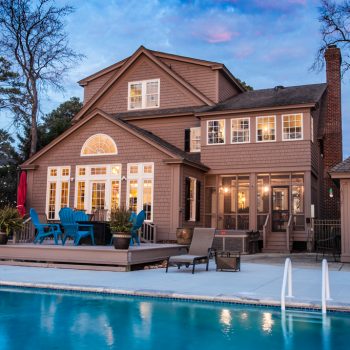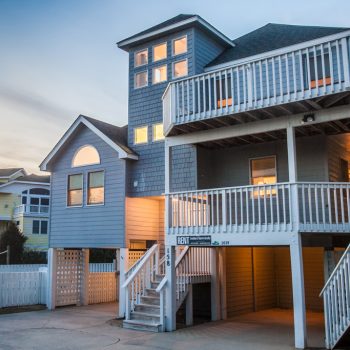
The better choice depends on what matters most to you. If your priority is repeat-use convenience, everyday services, and a location that works well beyond peak vacation weeks, Kitty Hawk usually rises to the top. If your priority is town atmosphere and a more distinct coastal lifestyle feel, Duck often stands out. If you are focused on a more removed beach-house experience and are willing to dig deeper into access, flood, insurance, and property-use tradeoffs, Corolla deserves a closer look.
Before you get too far into listings, it helps to compare these towns through the lens that matters most for second-home buyers: ownership fit, not just beach appeal. That means looking at lifestyle, rental use, flood and erosion questions, access, community rules, and how the property will actually function for you over time.
Quick Comparison
| Town | Best fit | Ownership feel | Lifestyle angle | Main caution |
|---|---|---|---|---|
| Kitty Hawk | Buyers who want practicality and flexibility | More balanced for personal use, second-home use, and broader day-to-day function | More central, active, and easier to pair with everyday needs | You still need to review flood, insurance, and property-specific tradeoffs carefully |
| Duck | Buyers who want a stronger town identity and a quieter upscale feel | Often more lifestyle-led in how buyers evaluate it | Walkable-feeling village atmosphere, beach-town appeal, and a more distinct vibe | Town fit and price expectations matter more because buyers often pay for feel as much as function |
| Corolla | Buyers who are comfortable with a more vacation-oriented setup | Often more dependent on the exact property, location, and management plan | More space-driven and getaway-oriented for many buyers | Access, floodplain questions, community rules, and management logistics deserve extra attention |
Which Town Fits Your Second-Home Goals?
Choose Kitty Hawk if practicality matters most
Kitty Hawk is a strong option for buyers who want an Outer Banks second home that feels usable, not just aspirational. It often appeals to people who want beach access and coastal character without feeling too removed from the parts of ownership that become more important after the closing, like convenience, services, and how easy the home is to use outside peak season.
This is also one of the reasons Kitty Hawk tends to stay in the conversation for buyers who are still deciding between personal use, part-time use, and a mixed-use ownership plan. If you want a town that can work well as a second home without feeling locked into a purely vacation-only pattern, Kitty Hawk is usually worth serious consideration. Learn more on the Kitty Hawk real estate page.
Choose Duck if lifestyle and town identity matter most
Duck tends to appeal to buyers who care as much about how a town feels as how a property performs on paper. For some second-home buyers, that stronger sense of place is exactly the point. They are not just buying a house near the water. They are buying into a specific rhythm, atmosphere, and town experience.
That can make Duck a very strong fit for buyers who want their second home to feel more curated and lifestyle-led. It can also be a better fit for people who know they want a town with a more distinct identity rather than a more practical central corridor feel. See current options in Duck real estate.
Choose Corolla if you are comfortable with a more vacation-first tradeoff
Corolla usually enters the conversation when buyers are willing to accept a different ownership tradeoff in exchange for the kind of experience they want from a beach house. In practice, that means the exact property matters even more. Access, flood exposure, community structure, rental strategy, and maintenance planning can have an outsized effect on whether a Corolla purchase feels smart or stressful.
That does not make Corolla the wrong choice. It just makes due diligence more important. Buyers looking there should be especially clear about whether they want a personal retreat, a high-touch vacation home, a rental-minded property, or some combination of those goals. Browse Corolla real estate to compare how different properties change the equation.
Second-Home Economics: What Matters More Than the Sticker Price
The wrong way to compare Kitty Hawk, Duck, and Corolla is to focus only on asking price. The better way is to compare total ownership fit. For second-home buyers, that usually means looking at purchase budget, insurance burden, maintenance expectations, rental upside if relevant, and how often you realistically plan to use the home.
A property that looks cheaper up front can become less attractive if the ownership friction is too high. A more expensive property can make more sense if the location fits your use pattern better, holds your interest longer, and creates fewer practical headaches. That is why a good comparison should always include flood questions, erosion context, access, and management realities alongside price. For a broader ownership framework, start with this guide to buying Outer Banks real estate.
Flood, Erosion, and Insurance Can Change the Whole Decision
In the Outer Banks, environmental risk is not a side topic. It is part of the buying decision. Two homes with similar list prices can create very different ownership experiences depending on flood zone, elevation, erosion exposure, and the long-term insurance picture.
That is one reason broad town comparisons only go so far. Once you narrow to a property, you should review flood maps, ask about elevation and insurance history, and understand whether the lot or neighborhood creates extra risk or extra cost. This is especially important if the property may also be rented, because risk and guest expectations can affect both owner costs and long-term usability. Review local context in this guide to flood zones and insurance in the Outer Banks, then check the North Carolina Flood Risk Information System and Currituck flood insurance rate maps.
Rules, HOA Questions, and Ownership Friction
Second-home buyers sometimes underestimate how much local rules and neighborhood structure can affect the ownership experience. That can include parking limits, rental restrictions, septic capacity, association rules, reserve-study questions, and how much flexibility you really have if you want to update, expand, or change the way the property is used.
This is another place where the “best” town often depends on buyer type. A buyer who wants a simpler personal-use second home may evaluate these issues differently from a buyer who wants more rental flexibility. Either way, the goal is to surface these questions before the offer stage becomes emotional. A useful starting point is this page on HOA and POA communities in the Outer Banks.
Lifestyle Fit Still Matters
The financial side matters, but second-home buyers are also choosing a place they want to come back to again and again. That is why lifestyle fit matters just as much as the spreadsheet. The town that looks strongest on paper may still be the wrong choice if it does not match how you want your time in the OBX to feel.
For some buyers, that means leaning toward Kitty Hawk for practicality and rhythm. For others, it means Duck for atmosphere and a stronger sense of town. For others, it means Corolla because they want the ownership experience to feel more like a true getaway. The right answer is usually the one that matches both your use pattern and your tolerance for ownership complexity. To compare how different areas fit into the broader market, review Dare County real estate.
My Take for Second-Home Buyers
If you want the most balanced starting point, begin with Kitty Hawk. If you want the strongest lifestyle identity, start with Duck. If you are open to a more vacation-first setup and are ready to do sharper due diligence, add Corolla to the shortlist early.
The biggest mistake is treating these towns like interchangeable versions of the same beach market. They are not. A smarter approach is to compare the towns first, then compare the flood, insurance, access, and community tradeoffs that come with the specific homes you are considering. Before making an offer, it also helps to review home inspections when buying in the Outer Banks and Currituck floodplain building guidance.