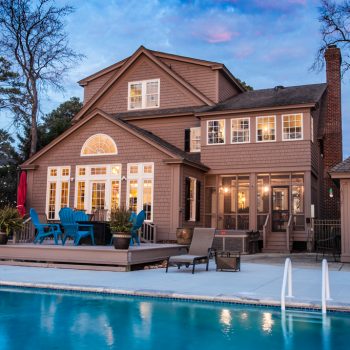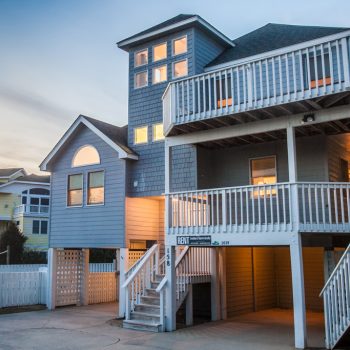
A lot of out-of-state buyers start with the same picture in mind: a beach house, a few favorite towns, and the hope that the right property will stand out once they start browsing listings. Sometimes it does. More often, the harder part is not finding a house you like. It is figuring out whether the home still makes sense once you look at how you will use it, what it will cost to own, and what can be hard to see when you are not local.
That is why buying remotely usually goes better when the process is a little more structured. The goal is not to make it complicated. The goal is to make sure distance does not hide the parts of the decision that matter most.
Start with the town and the ownership goal
Before you get too attached to listings, it helps to be clear about what the home is meant to do. Some buyers want a second home they can use often. Some want a property that may eventually have rental flexibility. Others are simply trying to find a place that feels easy to own without needing a lot of attention from far away.
That is why remote buyers usually do better when they start with the kind of ownership that fits their plans and compare OBX towns early instead of falling for the first house that looks good online. The town shapes access, insurance questions, maintenance demands, community rules, and the day-to-day ownership experience more than many out-of-state buyers expect.
Use virtual tools, but do not lean on them too hard
Remote buying is easier than it used to be. Buyers can tour homes by video, review documents electronically, share notes quickly, and handle much of the transaction without being in town for every step. That convenience helps, but it also creates a risk: it becomes easy to confuse a smooth digital process with a fully understood property.
Virtual showings are useful for narrowing options, but they are not a replacement for judgment. Buyers still need someone local who can point out how a street feels, whether access is as easy as it looks, how the home compares with others nearby, and which details deserve a closer look before the contract gets serious.
Screen the property like a remote buyer
Out-of-state buyers need a better filter, not more listing alerts. A house that looks ideal in photos can still be the wrong fit once you account for flood exposure, maintenance burden, neighborhood feel, parking, beach access, or the way the layout works for the type of ownership you have in mind.
That is why it helps to ask the questions a local buyer might answer more casually in person. How easy is the location to use year-round? Does the property feel practical for short stays, long stays, or occasional guest use? Are there signs that ownership could be more demanding than the listing makes it seem? These are the kinds of things a local guide can help surface before you are booking flights or writing offers.
Handle flood and insurance questions early
For remote buyers, flood and insurance questions need to come up early because they are harder to absorb once you are emotionally committed to a house. On the Outer Banks, flood zones, elevation, shoreline exposure, and insurance requirements can shape both cost and comfort with the purchase.
It helps to understand how flood zones and insurance work in the Outer Banks before you get too far into a property. Buyers should know what flood zone the home is in, whether an elevation certificate is available, whether there is any flooding history to review, and whether the full insurance picture still fits the budget once the numbers are real.
Plan inspections like timing matters, because it does
Buying remotely does not reduce the need for inspections. If anything, it makes timing and clarity more important. When you are not nearby, you need enough time to review findings, ask follow-up questions, and decide whether the home still makes sense after the reports come back.
A smart remote-buyer approach usually means planning how inspections fit into an Outer Banks purchase before due diligence starts moving quickly. That includes scheduling the general inspection early, deciding whether specialist inspections make sense, reviewing findings in terms of repairs or credits, and leaving room for follow-up before deadlines close in.
Be realistic about costs, closing, and remote logistics
Distance can make buyers focus on the purchase price because it is the clearest number in front of them. But remote ownership decisions are usually shaped just as much by everything around that number: insurance, taxes, maintenance, dues, inspection costs, closing expenses, and the practical question of how much coordination the home will need after closing.
Before you move forward, it helps to review what buyers should budget beyond the purchase price and, if the home will not be occupied full time, think through property management for absentee owners. Even buyers who are not planning a vacation rental often need a local plan for maintenance, vendor coordination, storm response, or the basic realities of looking after a coastal property from another state.
Do not skip the North Carolina professional layer
Remote buying gets smoother when the buyer knows which questions belong with which professional. The real estate side may feel digital now, but North Carolina transactions still involve legal, financial, and due-diligence details that should be reviewed with the right people before closing. That can include the contract, title work, tax questions, closing documents, and the structure of the purchase itself.
This does not mean every out-of-state buyer needs a complicated transaction. It means buyers should be willing to review North Carolina legal, tax, financing, and closing questions with qualified local professionals if anything about the purchase, ownership structure, or intended use is not straightforward.
Why local trust matters more when you are not local
The further away the buyer is, the more important it becomes to have someone local who can give the property a real-world read instead of just repeating what is already in the listing. That is where local knowledge earns its keep. It helps buyers compare tradeoffs honestly, catch issues earlier, and stay focused on whether the home still fits once the details fill in.
Trish Lusk helps with practical guidance, and the client feedback points in the same direction. One buyer described the experience as the best home-buying experience they had ever had and said Trish was proactive, knowledgeable, attentive to details, and focused on their best interests, while the testimonials page describes her as highly recommended, speedy with information, and helpful through the process.
FAQ
How do you buy an OBX beach house from out of state?
You usually start by narrowing the right town and ownership goal, then use local guidance to evaluate properties, review flood and insurance questions, coordinate inspections, and handle closing details from a distance. The process works best when buyers use virtual tools for convenience without relying on them as a substitute for due diligence.
Can you buy an Outer Banks house remotely?
Yes. Much of the process can be handled remotely through virtual showings, electronic document review, and local coordination, but buyers still need a clear plan for inspections, insurance review, due diligence, and closing.
What should remote OBX buyers look at before making an offer?
They should look at town fit, flood-zone questions, insurance costs, property condition, likely maintenance, ownership goals, and whether the location still makes sense once the practical side of ownership is added to the picture.
Do out-of-state buyers need local help after closing?
Often, yes. If the property will not be occupied full time, buyers usually need a local plan for maintenance, vendor coordination, storm response, or full property management, especially for absentee ownership.
Why does a local OBX agent matter more for remote buyers?
A local agent can help remote buyers compare towns, judge tradeoffs that do not show well online, coordinate due diligence, and keep the process grounded in what the property will actually feel like to own. That local context becomes more valuable when the buyer is not physically present for every step.