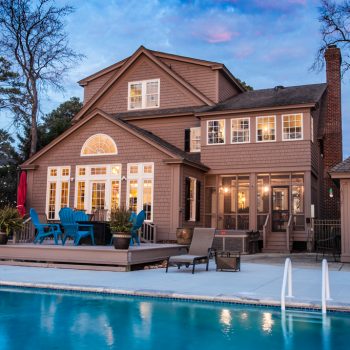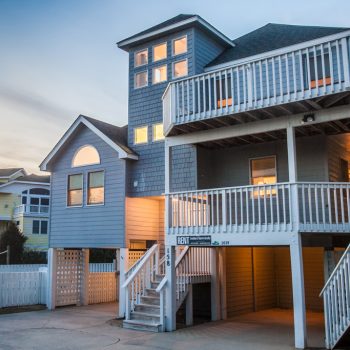
Choose Duck if you want a second home that is easy to use for short, frequent visits. Its walkable village setting, Duck Boardwalk, Town Park, restaurants, and shops make the location part of the ownership experience. Choose Southern Shores if you want privacy, residential calm, larger-feeling homesites, and a home-centered coastal routine.
The decision is not simply “busy versus quiet.” Duck is a town-lifestyle purchase; Southern Shores is a residential-retreat purchase. Both require property-level review of insurance, elevation, beach access, maintenance, and rental feasibility.
Quick Answer
| If You Want… | Choose… | Why |
|---|---|---|
| Walk to restaurants and shops | Duck | Its village core, boardwalk, park, and businesses make short visits easy |
| Peace and privacy | Southern Shores | Lower commercial intensity and a more residential setting |
| Frequent weekend trips | Duck | A Thursday-to-Sunday stay can feel complete without relying on the car for every activity |
| A future retirement home | Southern Shores | Better fit for buyers who want a quieter, home-based daily routine |
| Vacation-rental positioning | Duck | Walkability and town identity are easy for guests to understand |
| A family retreat | Southern Shores | Privacy, quieter streets, and a less commercial atmosphere can be more appealing |
| Remote work | Southern Shores | More natural for focused, quiet home-based routines; verify service at the address |
| Public spaces and soundside walks | Duck | The Duck Town Park and Boardwalk are central lifestyle assets |
| A residential neighborhood | Southern Shores | The town is primarily residential, with limited commercial development |
| Private or association-oriented beach access | Southern Shores | Access depends on the home, civic association, permits, and applicable rules |
The Core Difference
Duck is built around a visible village identity. The Duck Town Park, soundside boardwalk, Waterfront Shops, Scarborough Faire, restaurants, events, and trails create an ownership experience that extends beyond the property itself. A buyer can arrive Thursday evening, walk to dinner, spend Friday on the beach or boardwalk, and leave Sunday without making every outing a driving plan.
Southern Shores is more residential by design. Its value is less about being near a restaurant district and more about quieter streets, beach and sound proximity, maritime-forest character, larger-feeling lots in many areas, and a home that serves as the destination. Commercial uses make up only a small share of the community, so owners should expect to drive for most dining, errands, healthcare, and major shopping.
The practical question is: Do you want the town to expand your home, or do you want your home and neighborhood to be the retreat?
Duck at a Glance
Duck is usually the better fit for buyers who want a second home that feels accessible and active from the moment they arrive.
The strongest Duck ownership advantages are:
- Walkable access to restaurants, shops, the Duck Boardwalk, and Town Park
- A recognizable vacation-town setting that can support guest appeal
- Soundside public spaces and sunset walks
- A location where short owner stays can still feel worthwhile
- More opportunities to leave the car parked during a long weekend
- A strong fit for couples, empty nesters, lifestyle-led second-home owners, and hybrid owners who use the home personally and rent selectively
Duck’s walkability is not merely a marketing phrase. It changes how owners use a second home. Buyers who stay for only two or three nights can enjoy a complete weekend without spending much of their limited time managing parking, dining reservations, or drives between destinations.
What Buyers Should Know
Duck can feel more active during peak season, especially around the village core, public areas, restaurants, and popular beach access points. Friday arrivals, Saturday turnover traffic, pedestrian activity, and Highway 12 congestion can affect how the town feels in summer.
A Duck buyer should walk—not just map—the route from each home to the beach, boardwalk, Town Park, Waterfront Shops, Scarborough Faire, and preferred restaurants. Two properties may appear equally close online, but road crossings, sidewalks, bike routes, shade, parking, and seasonal activity can make one far more convenient in daily use.
Southern Shores at a Glance
Southern Shores is usually the better fit for buyers who want privacy, a lower-key coastal atmosphere, and a home-centered ownership experience.
The strongest Southern Shores ownership advantages are:
- A predominantly residential setting
- Quieter off-season rhythm
- More privacy-oriented ownership in many locations
- Strong future-primary-residence and retirement potential
- Oceanfront, oceanside, soundfront, canal-front, and interior-home options
- Beach, sound, boating, biking, and home-based outdoor living
- Access to nearby Duck, Kitty Hawk, and the Highway 158 commercial corridor when needed
Southern Shores is not simply “Duck without crowds.” It requires a different ownership plan. Buyers should expect to drive for restaurants, grocery shopping, healthcare, and many services. In return, they may gain a setting where the property itself—its pool, decks, storage, sound views, canal access, outdoor space, and floor plan—matters more than proximity to a town center.
What Buyers Should Know
Southern Shores beach access is a material due-diligence issue. It is not a conventional public-access environment like many buyers expect elsewhere on the Outer Banks. Access may depend on the home’s civic association status, available walkovers, parking permits, owner eligibility, and guest rules.
Before making an offer, confirm:
- Whether the property has Southern Shores Civic Association membership or eligibility
- Which beach walkovers the owner may use
- Whether parking privileges or permits are included
- Whether guests can use the applicable access
- Whether access rights transfer, require separate enrollment, or carry additional fees
- Whether the home’s location makes beach access practical for your household and renters
In Southern Shores, beach access is an ownership right and operational detail—not simply a nearby amenity.
Side-by-Side Comparison
| Category | Duck | Southern Shores |
|---|---|---|
| Overall feel | Village-centered, active, amenity-connected | Residential, private, and home-centered |
| Walkability | Strong near the town core | Good for neighborhood walks and biking, limited for errands |
| Restaurants and shops | Strong in-town access | Mostly requires driving to Duck, Kitty Hawk, or nearby commercial areas |
| Public spaces | Duck Town Park, boardwalk, soundside trails, village gathering areas | More neighborhood- and association-oriented amenities |
| Beach access | More conventional public access patterns | Private, association-oriented, or permit-dependent; verify property rights |
| Privacy | Moderate, depending on location | Generally stronger, especially away from access points and main roads |
| Peak-season activity | Higher and more visible | Lower internal commercial activity, though rental turnover remains |
| Off-season rhythm | Still active relative to other northern beaches | More consistently quiet and residential |
| Rental positioning | Stronger for convenience-oriented guests | More property-specific; privacy and access quality matter more |
| Future primary residence | Good for buyers who want walkability and social access | Strong for buyers who want quiet, space, and residential character |
| Soundfront and canal options | Available, but property-specific | Particularly relevant; docks, canals, bulkheads, and sound access need review |
| Maintenance | Standard coastal exposure | Coastal exposure plus possible dock, bulkhead, canal, or shoreline systems |
| Best fit | Town-oriented second-home owner | Privacy-oriented owner, retiree, family, or remote worker |
Who Should Buy in Duck?
Duck is a strong choice for:
- Couples and empty nesters
- Buyers who expect frequent weekend use
- Owners who value walking to dinner, shops, and public spaces
- Second-home buyers who want the location to reduce planning and driving
- Vacation-rental owners targeting guests who value town convenience
- Downsizers who prefer daily walkability over lot size or seclusion
- Buyers who enjoy a social, visible beach-town atmosphere
A remote worker may also prefer Duck if their ideal work pattern includes a morning walk on the boardwalk, lunch in town, or an easy evening dinner without driving. Verify broadband at the exact home, but Duck can support a work-and-walk ownership pattern particularly well.
Duck Buyer Scenario
A couple from Virginia Beach uses their home two weekends a month from September through May and several summer weeks. They want to arrive after work Friday, walk to dinner, spend Saturday at the beach, use the boardwalk at sunset, and avoid moving the car until Sunday.
Duck is likely the better fit. The convenience of the village can make short owner stays more valuable than a larger home or more private lot elsewhere.
Who Should Buy in Southern Shores?
Southern Shores is a strong choice for:
- Retirees and future full-time residents
- Families who prioritize quieter streets and privacy
- Buyers who want a private pool, outdoor space, storage, and room for guests
- Remote workers who want a calmer home-office environment
- Owners considering soundfront, canal-front, or maritime-forest settings
- Buyers who expect longer stays rather than quick weekend trips
- Luxury buyers who value a more estate-like, residential feel
- Buyers who want a home-centered retreat rather than a village-centered vacation experience
Southern Shores works best when the home itself supports your lifestyle. A good floor plan, usable decks, covered outdoor space, storage, parking, pool condition, beach access, and sound or canal utility may matter more than being close to restaurants.
Southern Shores Buyer Scenario
A couple plans to work remotely for two weeks at a time, host adult children during holidays, and eventually spend several months a year on the Outer Banks. They want quiet streets, outdoor space, room for beach gear, and access to both the ocean and sound.
Southern Shores is likely the better fit. They will drive more often, but a strong property can provide the privacy, home-office comfort, and long-term livability they want.
Beach Access Matters
Duck generally offers a more straightforward public-facing beach experience. Buyers should still verify the actual route, crossing conditions, parking, walkover condition, and distance from the home to the sand.
Southern Shores requires more detailed access due diligence. Private and civic-association structures can affect whether owners and renters can access particular beach walkovers and parking areas.
A buyer should not assume that “near the beach” means “easy beach use.” Ask:
- Can you walk comfortably to the access?
- Is a golf cart, bike, or car needed?
- Does the property’s access arrangement allow guests?
- Are parking permits available?
- Are walkovers maintained and usable?
- Does the route work for children, older visitors, beach wagons, and coolers?
- Is the access practical during peak-season traffic?
Daily Logistics
The communities are geographically close, but their operational feel differs.
| Daily Need | Duck | Southern Shores |
|---|---|---|
| Casual dinner | Often walkable in or near the village | Usually a drive |
| Groceries | Requires a trip outside the immediate village area | Often accessed via Kitty Hawk or nearby corridors |
| Medical services | Drive south toward Kitty Hawk and the Outer Banks Hospital area | Drive south toward Kitty Hawk and the Outer Banks Hospital area |
| Trip to Corolla | North on NC 12; summer traffic can affect timing | Similar northbound route, often slightly closer to the bridge and central services |
| Trip to Nags Head | Drive south through Kitty Hawk and Kill Devil Hills | Drive south via NC 12 or Highway 158 connections |
| Bridge arrival and departure | Requires continuing north after the Wright Memorial Bridge | Closer to Highway 158 and the bridge corridor |
| Short visit without driving much | Stronger fit | More difficult unless the property itself provides everything you need |
Approximate drive times vary sharply by day, season, weather, road work, and turnover traffic. In July and August, a route that takes 15 minutes on a weekday morning can take much longer around Friday arrivals, Saturday departures, or a Highway 12 incident.
Southern Shores can offer a more direct relationship to Highway 158 and Kitty Hawk services. Duck offers more walkable destination value once you have arrived. The better choice depends on whether you dislike the drive to get somewhere—or dislike having to drive once you are there.
Flood and Insurance
Flood and insurance are property-level decisions in both communities.
A buyer should distinguish among:
- Homeowners insurance: Covers certain hazards and structure-related risks subject to policy terms
- Wind and hail coverage: May be separate or have distinct deductibles in coastal areas
- Flood insurance: Depends on flood zone, elevation, lender requirements, building characteristics, coverage structure, and risk tolerance
- Deductibles: Can materially affect the cost of a storm claim even when the property is insured
- Replacement cost: Should be tested against current coastal construction costs, not simply the purchase price
FEMA flood-zone designations are an initial screening tool, not a complete risk assessment. X zones, AE zones, elevation certificates, drainage patterns, nearby canals, soundside exposure, and the property’s actual construction all matter.
Duck buyers should assess dune proximity, drainage, stormwater flow, and exterior exposure. Southern Shores buyers should add canal, soundside, dock, bulkhead, shoreline, and low-lying drainage considerations where relevant.
Before making an offer, obtain property-specific wind, flood, and homeowners quotes and review the Outer Banks Flood Insurance Guide.
Rentals and Ownership
Duck is often stronger for a lifestyle-led rental strategy. Guests may value being able to walk to restaurants, browse shops, use the boardwalk, and experience a recognizable beach town without driving constantly.
Southern Shores can also perform well as a vacation-rental location, especially when a home offers private beach-access eligibility, a pool, strong outdoor space, privacy, a soundfront or canal-front setting, or enough bedrooms for a family group. But rental marketing must clearly explain beach access, parking, neighborhood expectations, and what guests can realistically do without a car.
Do not buy based on gross projections alone. Compare:
- Historical rent rolls and booked weeks
- Owner-use blocks, especially in high-demand periods
- Management fees and guest-service costs
- Cleaning, linens, utilities, and maintenance
- Insurance and deductibles
- Civic association, HOA, or access-related dues
- Pool, elevator, septic, landscaping, and pest costs
- Dock, bulkhead, canal, or soundfront maintenance where relevant
- A capital reserve for coastal repairs
The most valuable personal-use weeks may also be the weeks with the highest rental rates. A hybrid buyer should decide before closing whether owner use or rental return has priority.
Coastal Ownership Costs
Both communities require coastal maintenance planning.
Salt air, wind, humidity, sand, and storm exposure affect roofs, exterior paint, decks, railings, fasteners, windows, doors, HVAC equipment, outdoor furniture, and pool systems. Southern Shores properties with soundfront, canal-front, dock, or bulkhead features may need an additional reserve for waterfront infrastructure.
Budget for:
- Roof, flashing, exterior paint, and window maintenance
- Deck boards, stairs, railings, hardware, and fasteners
- HVAC service and corrosion-related wear
- Pest, landscaping, and pool maintenance
- Flood, wind, homeowners, and liability insurance
- Storm preparation and post-storm inspections
- Property management, cleaning, and guest support if rented
- Dock, lift, bulkhead, drainage, or shoreline work where applicable
- A five- to ten-year capital reserve
A nearby house’s insurance cost, flood exposure, or maintenance record is not a reliable substitute for reviewing the exact property.
What Surprises Buyers
Duck Is Not Automatically Convenient
A Duck listing can appear “walkable,” but the actual experience depends on the home’s relation to the beach, boardwalk, village core, Highway 12 crossings, bike paths, and preferred amenities. Walk the route before treating proximity as a value driver.
Southern Shores Is Not Automatically Private
Privacy varies by lot, road, beach-access proximity, rental concentration, tree cover, and neighboring homes. A home near a busy access point or main route can feel different from one inside a quiet maritime-forest setting.
Beach Rights Can Affect Value
In Southern Shores, access rights and associated parking arrangements can affect daily usability, rental-market clarity, and resale appeal. Confirm them in writing during due diligence.
Bigger Is Not Always Better
A larger beach cottage can create more rental capacity, but it can also require more furnishings, exterior maintenance, insurance, pool care, cleaning, and storm preparation. The best home is the one whose operating burden matches your desired ownership experience.
Buying Checklist
- Decide whether walkability, privacy, personal use, rental income, or future primary residence is the first priority.
- Tour Duck and Southern Shores during the season and time of day you expect to use the home.
- In Duck, walk the route to the beach, Duck Boardwalk, Town Park, restaurants, and the town core.
- In Southern Shores, verify civic-association membership, access rights, beach walkovers, parking permits, and guest eligibility.
- Request flood-zone information and an elevation certificate, if available.
- Obtain property-specific flood, wind, homeowners, and liability insurance quotes.
- Review HOA, civic association, rental, parking, pet, renovation, and occupancy rules.
- Inspect pilings, roof, decks, siding, windows, HVAC, drainage, pool, septic, pest conditions, and waterfront systems.
- For canal or soundfront homes, inspect docks, bulkheads, lifts, depth, drainage, permits, and shoreline condition.
- Verify actual broadband service and mobile reception at the home if remote work matters.
- Review rental history, operating expenses, management agreements, and owner blocks for investment properties.
- Create a capital-reserve plan before deciding what you can comfortably afford.
FAQ
Is Duck or Southern Shores better for a second home?
Duck is generally better for walkability, convenience, and short, frequent owner stays. Southern Shores is generally better for privacy, residential calm, longer stays, and a future-primary-residence mindset.
Which community is more walkable?
Duck is more walkable for restaurants, shops, public spaces, and soundside recreation because of its town layout, boardwalk, and park.
Is Southern Shores good for retirees?
Yes. Southern Shores can be an excellent retirement choice for buyers who want quieter streets, a more residential environment, and a home-centered routine, provided they are comfortable driving for many services.
Does Southern Shores have public beach access?
Southern Shores does not operate like a broad public beach-access system. Access is generally private, association-oriented, or tied to permit and parking rules, so buyers must verify the exact property’s rights and guest access.
Is Duck better for vacation rentals?
Duck can be stronger for a convenience-oriented rental strategy because guests may value walkable restaurants, shops, public spaces, and a clear town identity. Net returns still depend on the specific home, expenses, owner use, management, and insurance.
Which has more privacy?
Southern Shores generally offers the more private and residential ownership experience, although lot position, road location, vegetation, nearby rentals, and beach-access proximity can alter the experience property by property.
Which is better for remote work?
Southern Shores often better suits a quiet home-office routine. Duck can be better for buyers who want a work-and-walk lifestyle with easy access to town. Verify broadband at the specific address in either community.
Which has lower insurance costs?
Neither community can be responsibly called cheaper at the town level. Insurance depends on elevation, flood zone, construction, replacement cost, roof condition, wind exposure, deductible structure, and claims history.
Are there HOA fees in Duck and Southern Shores?
Some neighborhoods have HOA or civic-association obligations. Southern Shores association structures can be especially important because they may affect beach access, parking, amenities, and covenants.
Which is better if I may move there later?
Southern Shores is usually the stronger candidate if privacy, space, and a residential environment matter most. Duck is stronger if walkability, social activity, restaurants, and public spaces are likely to become more important over time.