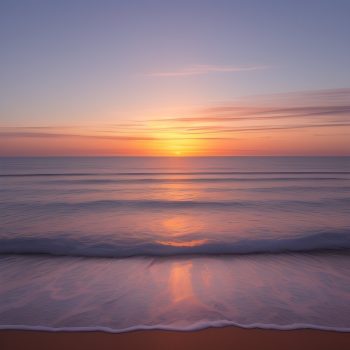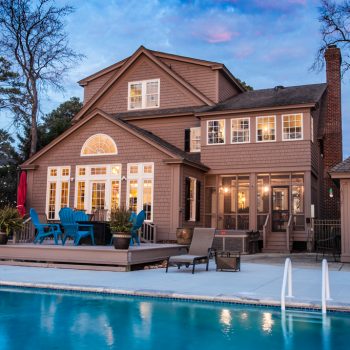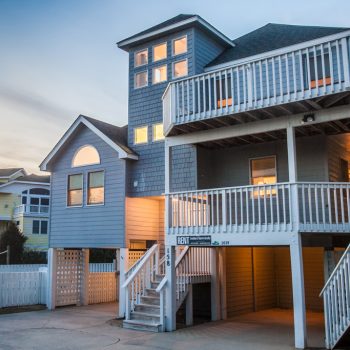
A lot of Outer Banks homes are easy to like quickly. The setting carries a lot of weight. The problem is that first-time buyers can get pulled into the charm of the property before they have a clear picture of what it will be like to own.
This is the part of the process where a simple checklist helps. Not because every house has hidden problems, but because coastal ownership comes with a few questions that are better answered early than late.
Know where this fits in the process
This checklist sits in the middle of the broader buying process. Before you get too far into listings, it helps to think about the kind of ownership that fits your plans, how often you expect to use the home, and what parts of the OBX actually match that goal. Once that is clearer, the next step is figuring out whether a specific property still makes sense when you add risk, condition, and cost to the picture.
If you need the wider framework first, start with buying Outer Banks real estate, then come back to this checklist once you have narrowed the town, budget, and property type and are seriously evaluating a specific home. This is the stage where buyers need to decide whether a property still makes sense before contract deadlines start closing in.
Flood-zone checklist
Flood questions need to come up earlier than many first-time buyers expect. On the Outer Banks, buyers will often hear about X, AE, and VE zones, and those differences can affect insurance requirements, ownership costs, and how the home is built or improved over time.
Before moving too far forward, it helps to ask:
- What flood zone is the property in?
- Is an elevation certificate available?
- Is there any flooding history in the area or at the property?
- How does the home relate to current flood standards?
- Are there any Coastal Barrier Resources System restrictions to understand?
Most buyers do not need to become flood-map experts overnight, but they do need to understand how flood zones and insurance work in the Outer Banks before they decide a property feels safe, affordable, or simple.
Insurance checklist
One of the biggest misunderstandings for first-time coastal buyers is assuming standard homeowners insurance covers everything that matters. It does not. Standard homeowners insurance does not cover flood damage, which means flood coverage may need to be handled separately depending on the property.
It helps to ask these questions early: Will flood insurance likely be needed for this property? What other coastal insurance questions should be reviewed before closing? How might elevation, location, or construction affect the insurance picture? Is the total ownership cost still comfortable once insurance is added in? For many first-time buyers, the real issue is not just flood coverage by itself, but understanding the full coastal insurance picture clearly enough to judge whether the home still fits the budget and the risk tolerance.
This is also where buyers need to stay honest about the full monthly picture. The purchase price is only part of the decision. Insurance, taxes, association costs, and maintenance can change how a home feels once it is yours.
Inspection checklist
Inspections matter in every market, but coastal homes can carry a different mix of wear, age, exposure, and maintenance issues. That does not mean every home is a problem. It means buyers should leave enough time to understand what they are buying before deadlines get tight.
A smart inspection approach usually includes the following:
- Scheduling the general home inspection early in due diligence.
- Asking whether specialist inspections make sense for the specific home.
- Reviewing the findings in terms of repairs, credits, or comfort level with the risk.
- Leaving enough time for follow-up inspections if bigger questions come up.
- Verifying any agreed repairs before closing.
If you want the deeper step-by-step view, it helps to understand how inspections fit into an Outer Banks purchase before the due-diligence clock starts moving fast.
Extra checks for oceanfront or higher-exposure property
Some properties need another layer of questions because the location itself adds more exposure. That can happen with oceanfront homes, properties in erosion-sensitive areas, or homes where shoreline change is part of the ownership picture.
In those cases, buyers should also ask:
- Has this stretch of shoreline been nourished recently?
- Are future nourishment or maintenance projects planned?
- What does the current beach and dune condition look like?
- How does the location affect flood and insurance questions?
- What kind of long-term resilience or maintenance costs might come with the setting?
Those questions are worth asking early if you are looking at a home where shoreline and erosion conditions near the ocean could affect the long-term ownership picture.
What to review before due diligence ends
Before the due-diligence window closes, the goal is not to know everything. It is to know enough to make a clear decision. By that point, you should have a better read on the flood zone, the likely insurance picture, the property’s condition, any major inspection issues, and whether the location still makes sense once the practical side of ownership is on the table.
It also helps to review what buyers should budget beyond the purchase price and, if the home is in a managed community, how HOA and POA rules can affect ownership in the Outer Banks. Those details are easier to handle before the timeline gets tight than after.
FAQ
What should first-time OBX buyers check before getting too far into a property?
First-time OBX buyers should check the flood zone, likely insurance requirements, the home’s condition, what inspections may be needed, whether the location adds shoreline or erosion risk, and whether there is enough due diligence time to follow up on what they learn.
Do flood zones affect Outer Banks home-buying decisions?
Yes. Flood zones can affect insurance requirements, ownership costs, how the home is built, and how buyers evaluate long-term risk. Buyers should ask early what flood zone the property is in, whether an elevation certificate is available, and whether there is any flooding history in the area.
Does standard homeowners insurance cover flood damage in the Outer Banks?
No. Standard homeowners insurance does not cover flood damage, so flood coverage may need to be handled separately depending on the property and the lender requirements.
How should first-time buyers handle inspections on an OBX property?
They should schedule the general inspection early, ask whether specialist inspections make sense, review findings in context, leave enough time for follow-up, and verify agreed repairs before closing. Coastal homes often need closer review because exposure, age, and maintenance can change the ownership picture.
When do shoreline and erosion questions matter most?
They matter most when the property is oceanfront or in a higher-exposure area where beach condition, storm impact, nourishment history, and long-term shoreline change can affect risk, maintenance, and insurance planning.