Home Inspections When Buying in the Outer Banks
 Home inspections are one of the most important parts of buying in the Outer Banks because they help you understand the property beyond the listing photos, showing condition issues, maintenance needs, and repair risks before closing. In a coastal market, inspections matter even more because salt air, moisture, wind exposure, and the age or design of a home can affect systems and materials differently than inland properties.
This page is meant to help buyers understand how inspections fit into the purchase process in North Carolina and what coastal-home buyers often pay closer attention to in the OBX. It is educational, not legal or technical advice, but it can help you prepare better questions during the buying process.
Why inspections matter in the Outer Banks
An inspection is not just a box to check before closing. It is part of the buyer’s broader due diligence process and can influence repair requests, budgeting, negotiation strategy, and even whether the buyer decides to move forward at all.
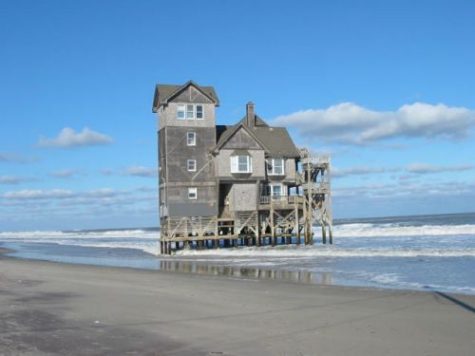
That matters in the Outer Banks because coastal properties can experience wear patterns that are not always obvious at first glance. Salt-laden air, persistent humidity, wind exposure, and moisture can affect metal components, exterior materials, HVAC systems, and other parts of a home over time.
How due diligence affects inspections in North Carolina
In North Carolina, due diligence is the buyer’s opportunity to investigate the property and the transaction during a negotiated period of time. The North Carolina Real Estate Commission says this process can include home inspections, pest and septic inspections, surveys, appraisal review, title work, loan qualification, and repair negotiation.
The due diligence period begins on the effective date of the contract, and buyers should negotiate enough time to complete their inquiries, especially if repairs or specialist inspections may be needed. If a buyer decides to terminate during that period, the buyer typically gets earnest money back but usually does not recover the due diligence fee unless otherwise negotiated.
What buyers often inspect
A standard home inspection is often the starting point, but many buyers in the Outer Banks also consider whether additional inspections make sense based on the property. Depending on the home, that can include pest inspections, septic review, HVAC review, roof evaluation, structural follow-up, survey work, or other specialist evaluations.
The North Carolina Real Estate Commission notes that repairs are completely negotiable, and buyers can ask for any number of repair items, even though the seller is not obligated to agree. That is why inspection findings are not just informational; they often shape the entire next stage of the transaction.
Coastal issues buyers should pay closer attention to
Coastal homes can present condition patterns that deserve closer review. Buyers often pay particular attention to moisture management, exterior wear, corrosion on metal components, signs of deferred maintenance, and the condition of systems exposed to salty air and humidity.
Salt air is especially hard on mechanical equipment and exterior metals. Coastal maintenance sources note that salt particles and moisture can accelerate corrosion on HVAC components and other metal surfaces, which is one reason local coastal knowledge matters when evaluating an Outer Banks property.
Local experience matters
A local or coastally experienced inspector can often bring more useful context to an Outer Banks purchase than a generalist unfamiliar with barrier-island homes. Local inspectors repeatedly emphasize experience with coastal construction, older OBX properties, and the specific wear patterns common in this environment.
That does not mean every home will have major issues. It means buyers usually benefit from working with local professionals who understand how to evaluate homes in a coastal market where materials, maintenance, and exposure can differ from inland housing.
What happens after the inspection
Inspection results usually lead to one of a few paths: move forward as-is, ask for repairs or credits, bring in specialists for follow-up, renegotiate, or terminate during the due diligence period. The North Carolina Real Estate Commission states that if the buyer is not satisfied with the seller’s response to repair requests, the buyer can terminate during due diligence or continue without the repairs.
If repairs are agreed to, the seller must complete them in a good and workmanlike manner before settlement. The buyer also has the right to verify repairs and complete a final walk-through, and that right continues even if the due diligence period has expired.
Buyer inspection rights and limits
North Carolina REALTORS® guidance says a buyer’s right to inspect during due diligence is very broad, but seller access obligations are framed around reasonable access. That means inspections can be extensive, but unusually intrusive testing may raise objections if the seller considers it unreasonable.
For most buyers, the practical takeaway is simple: plan inspections early, communicate clearly, and involve the right professionals before deadlines tighten. The more coastal complexity a home has, the more important timing becomes.
How to approach inspections in the Outer Banks
If you are buying in the Outer Banks, a smart inspection approach usually includes:
- Scheduling the general home inspection early in the due diligence period.
- Asking whether additional specialist inspections make sense for the specific home.
- Reviewing findings with your agent in terms of repair negotiation, credits, or risk tolerance.
- Leaving enough due diligence time for follow-up inspections if the first report raises bigger questions.
- Verifying any agreed repairs before closing.
Related pages
If you are building out your OBX buying process, these pages fit naturally with inspections: